Tell us about the job
Takes about a minute. No obligation.
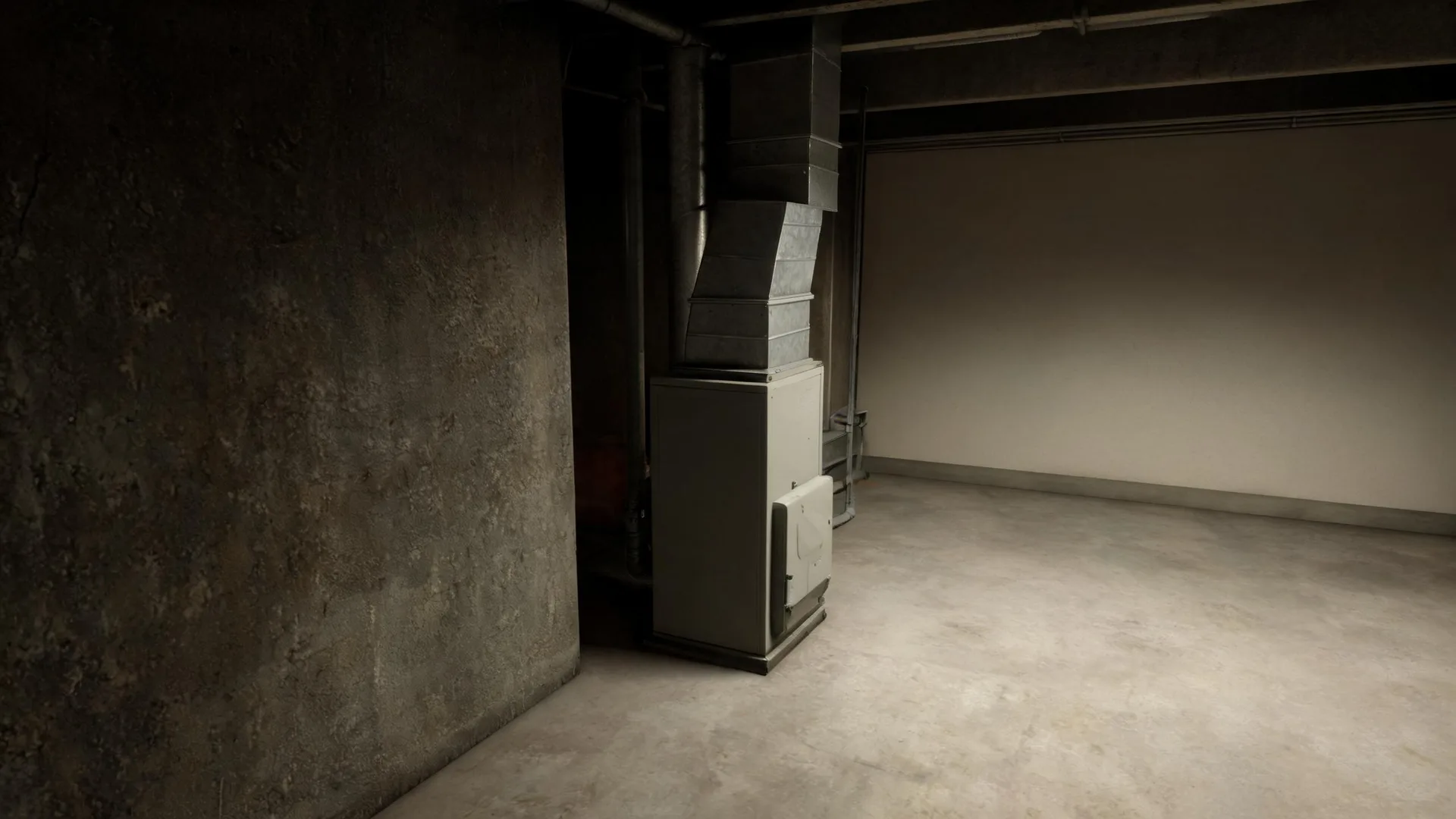
The burner assembly and ignition system in a Sanders County furnace cycle hard, season after season, and by the time something fails, both have earned close inspection. Homes in Sanders County, MT run heat about ten months a year, from September through June. That load falls almost entirely on the heat exchanger and burner, not on wiring or controls, which is why a contractor working a repair here checks combustion components first and prices the job from what those reveal.
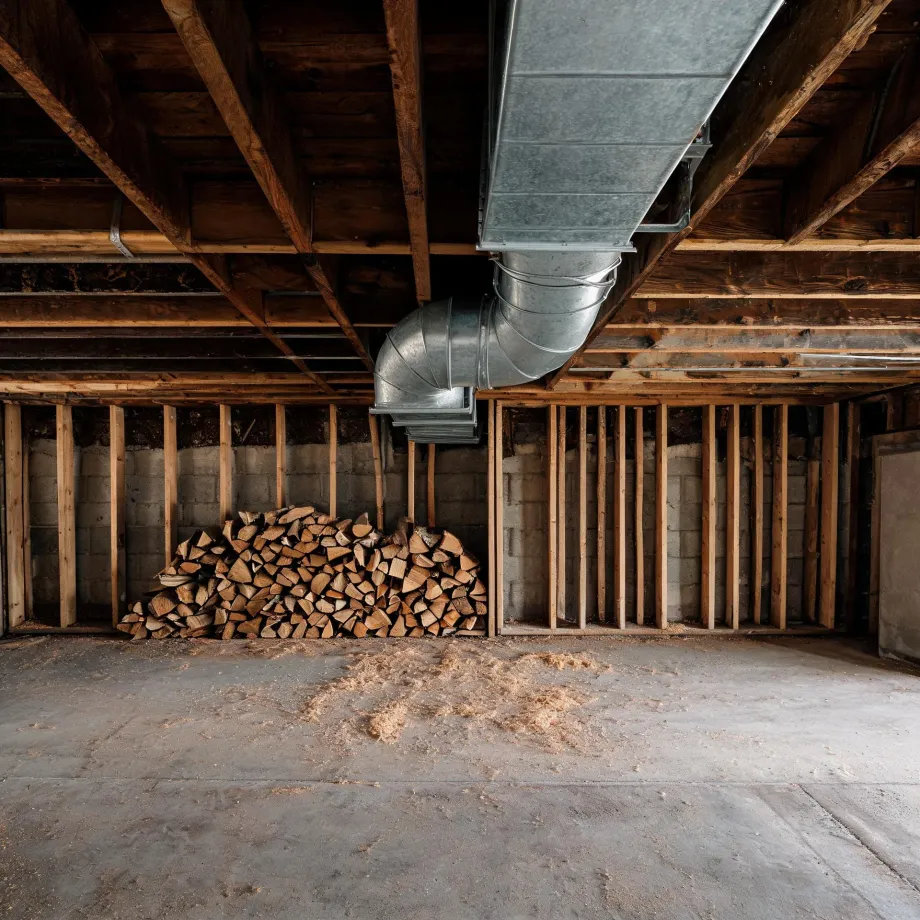
Ductwork in stock this old has had time to separate at joints, accumulate debris, and shift in ways that change how a furnace performs and what a repair actually costs. Half the homes in Sanders County, Montana were built in 1992 or earlier (2020-2024 ACS 5-year). A contractor who opens a furnace here and finds a cracked heat exchanger or a failed limit switch still has to trace whether the problem is the component or what the duct system is doing around it. Restricted airflow causes the same fault codes as a worn part, and misreading that sends the repair in the wrong direction. The ductwork is where the diagnostic either closes or reopens.
The Parts of a Furnace a Contractor Checks First
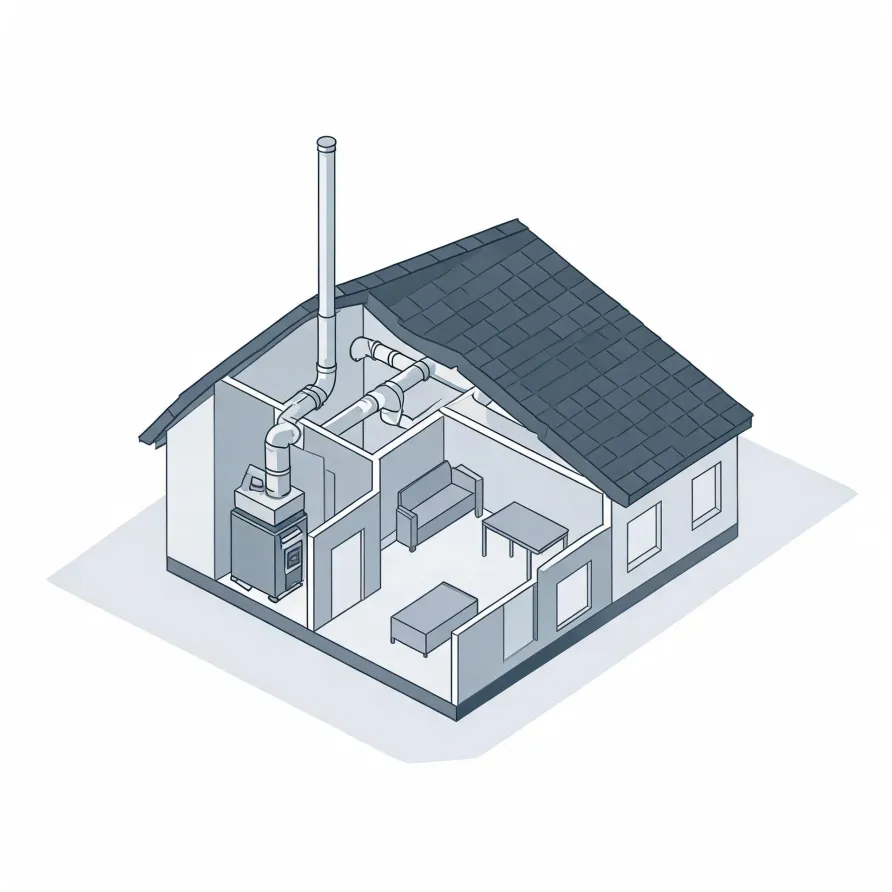
The furnace itself sits in a basement, utility room, or closet and is the piece a contractor goes to first. Inside it, the heat exchanger and burner assembly do the core work. When a furnace stops heating, runs unevenly, or shuts off before the house reaches temperature, one of those internal components is usually where the fault is.
The blower motor moves conditioned air out through the supply side of the system and draws return air back in. The flue or exhaust vent runs from the furnace to an exterior wall or through the roof, carrying combustion gases out. A failed blower or a blocked, cracked flue each produces distinct symptoms a contractor reads before opening anything up.
The drawing shows a typical furnace layout, and a licensed contractor determines what applies to the specific equipment and configuration in your home.
Find a contractor in Sanders CountySanders County, by the numbers
190 severe weather events were recorded in Sanders County, Montana between 2015 and 2024.
NOAA National Centers for Environmental Information, Storm Events Database, bulk CSV export, events 2015-01-01 through 2024-12-31.Half the homes in Sanders County, Montana were built in 1992 or earlier (2020-2024 ACS 5-year).
U.S. Census Bureau, 2020-2024 American Community Survey 5-Year EstimatesSanders County, Montana holds 6,808 housing units (2020-2024 ACS 5-year).
U.S. Census Bureau, 2020-2024 American Community Survey 5-Year EstimatesOwners occupy 81.3% of the occupied homes in Sanders County, Montana (2020-2024 ACS 5-year).
U.S. Census Bureau, 2020-2024 American Community Survey 5-Year EstimatesCodes & Standards Governing Furnace Repair in Sanders County, Montana6 sourced rules and standards
What to Expect From the Repair Visit
Non-weatherized gas furnaces manufactured on or after November 19, 2015 must reach 80.0 percent AFUE.
Non-weatherized oil-fired furnaces manufactured on or after November 19, 2015 must reach 83.0 percent AFUE.
Mobile home gas furnaces manufactured on or after November 19, 2015 must reach 80.0 percent AFUE.
Non-weatherized gas furnaces manufactured on or after December 18, 2028 must reach 95.0 percent AFUE, up from the 80.0 percent minimum that applies to units manufactured before that date.
Licensing and Legal Requirements in Sanders County, Montana
Montana’s contractor licence does not reach a casual, minor or inconsequential job whose total price for labour, materials and everything else is less than $2,500 — and the exemption is lost if the work is only part of a larger operation, or if a job is divided up to get under the figure.
Montana requires a current construction contractor licence from the Department of Labor and Industry: an individual or business may not engage in business as a construction contractor without one.
Weather Stress on Heating Systems in Sanders County
Furnaces in Sanders County work against whatever the local climate throws at them, and that workload shapes how often equipment strains, cycles hard, or breaks down. A contractor who repairs furnaces here is dealing with a specific pattern of weather pressure, and the chart below shows what that pressure looks like year by year.
190 severe weather events, 2015–2024. Source: NOAA National Centers for Environmental Information, Storm Events Database.