Tell us about the job
Takes about a minute. No obligation.
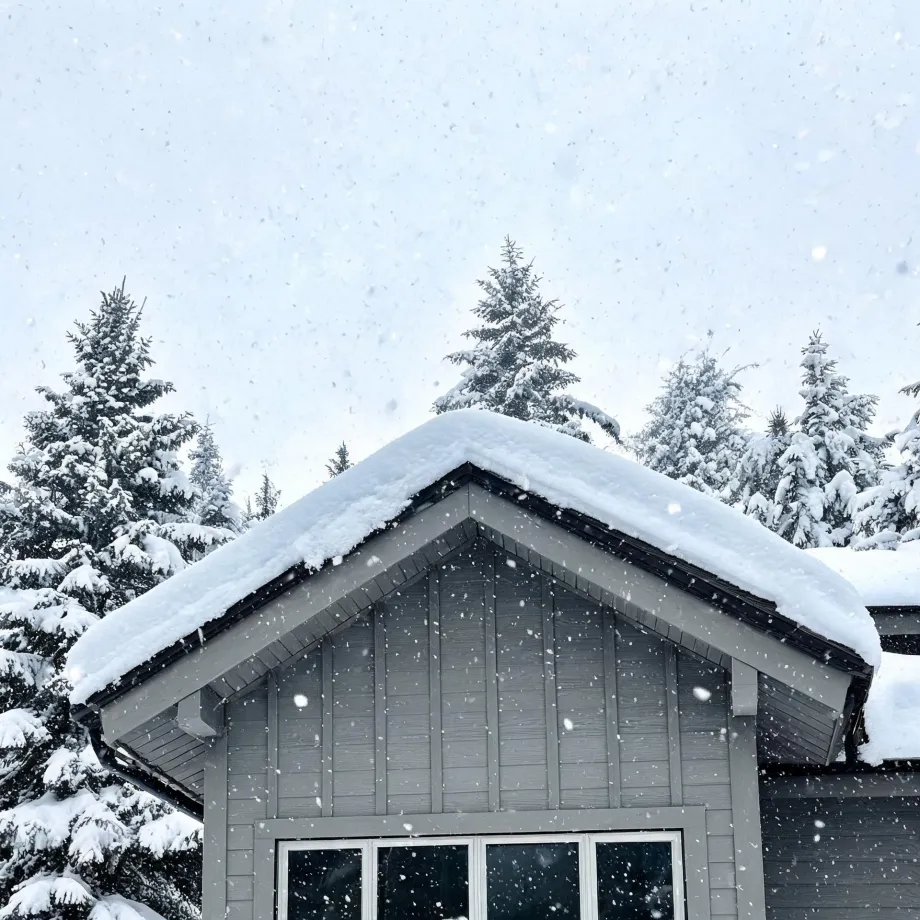
Sizing a furnace for this house is the decision a contractor has to get right before anything else. Homes in Valley County, MT run heat about ten months a year, from September through June. A unit that is undersized runs longer cycles to keep up, and the burner and heat exchanger accumulate wear accordingly. The ignition system fires and rests repeatedly across that long active stretch, and a marginal component fails under that load. A contractor doing the load calculation here is working out exactly how much the equipment will be asked to cycle, because the install that looks adequate on paper can fall short once the season is fully underway.
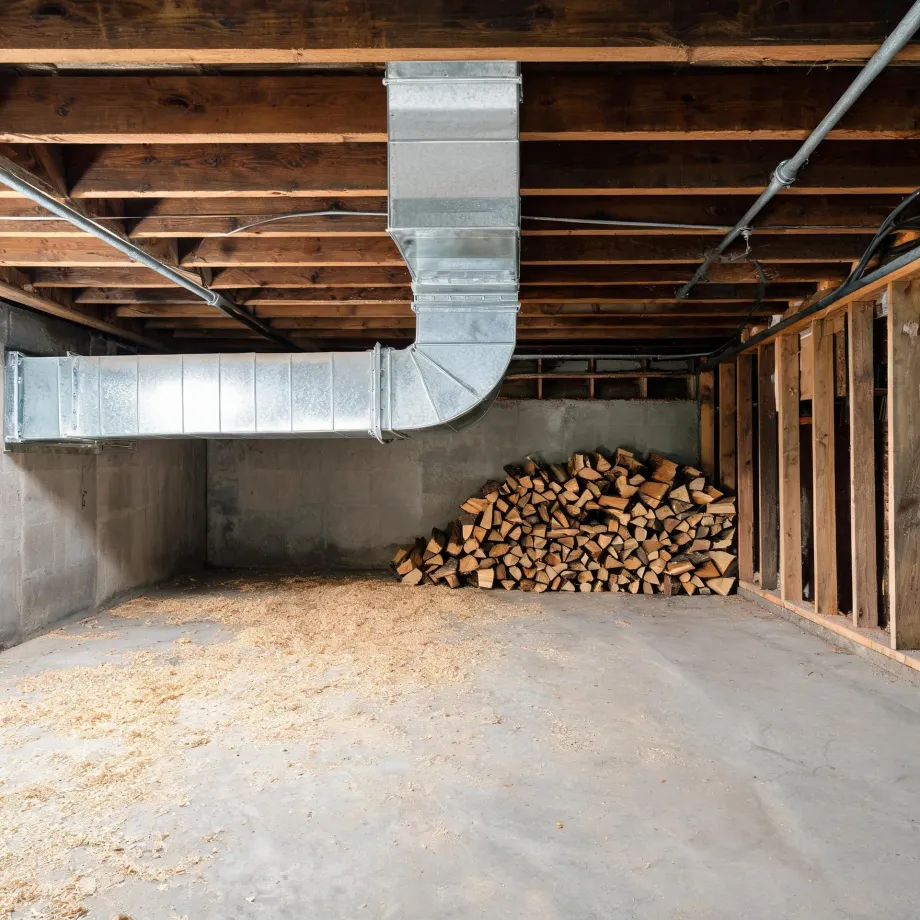
Ductwork laid out for a previous generation of equipment shapes what any new furnace installation runs into. Half the homes in Valley County, Montana were built in 1966 or earlier (2020-2024 ACS 5-year). That means a contractor opening walls or pulling registers in a typical house here is working out whether the existing runs, returns, and trunk lines will move air the way a modern furnace needs them to, not just whether the furnace itself fits the space. If the duct layout is wrong for the new unit's output, resizing or rerouting that ductwork becomes part of the job. The electrical supply gets the same look, since the load a new furnace draws has to match what the panel and the run to it will carry.
What Gets Installed With a New Furnace
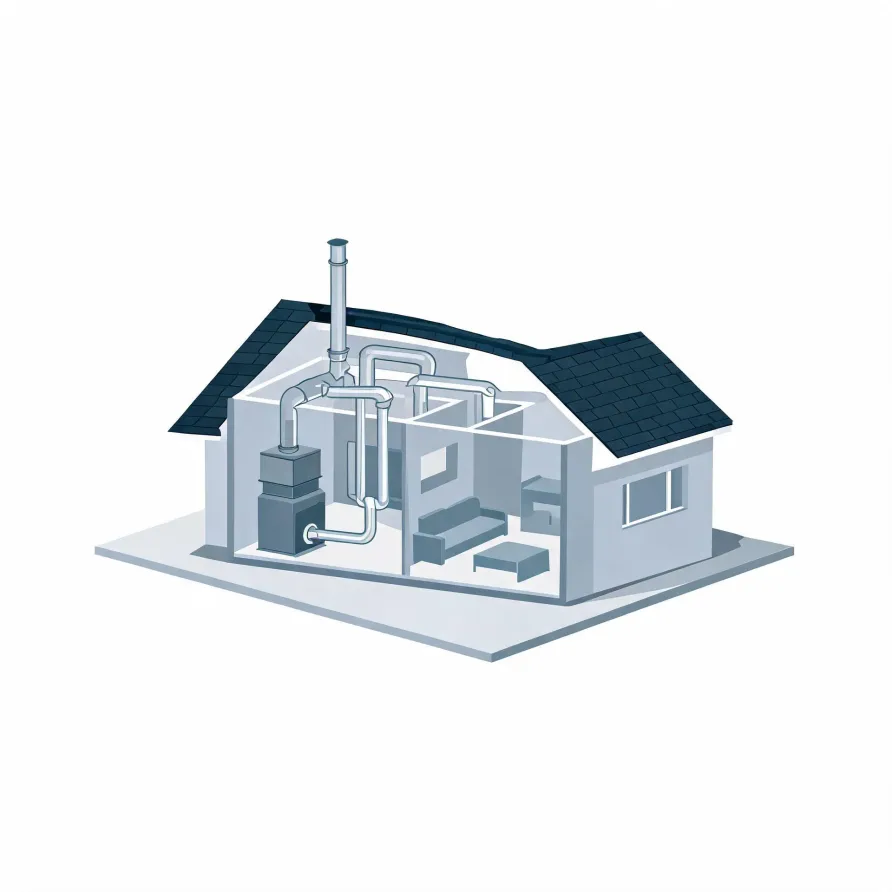
The furnace itself sits in a mechanical room, basement, or utility closet and is the core unit a contractor installs. Inside it, a burner assembly and heat exchanger produce the heat, while a blower motor and fan push conditioned air out into the house. These components arrive together as a single cabinet.
A flue pipe runs from the furnace to an exterior wall or through the roof, carrying combustion gases out of the home. The thermostat mounts on an interior wall and serves as the control point, telling the furnace when to fire and when to shut off. A filter housing, positioned where return air enters the unit, rounds out what a new installation puts in place.
The drawing shows a typical layout, and a licensed contractor determines exactly what applies to your home.
Find a contractor in Valley CountyValley County, Montana, by the numbers
387 severe weather events were recorded in Valley County, Montana between 2015 and 2024.
NOAA National Centers for Environmental Information, Storm Events Database, bulk CSV export, events 2015-01-01 through 2024-12-31.Half the homes in Valley County, Montana were built in 1966 or earlier (2020-2024 ACS 5-year).
U.S. Census Bureau, 2020-2024 American Community Survey 5-Year EstimatesValley County, Montana holds 4,254 housing units (2020-2024 ACS 5-year).
U.S. Census Bureau, 2020-2024 American Community Survey 5-Year EstimatesOwners occupy 78.5% of the occupied homes in Valley County, Montana (2020-2024 ACS 5-year).
U.S. Census Bureau, 2020-2024 American Community Survey 5-Year EstimatesFurnace Installation Rules for Valley County, Montana6 codes, standards, and laws
What the installation looks like in Valley County
Non-weatherized gas furnaces manufactured on or after November 19, 2015 must reach 80.0 percent AFUE.
Non-weatherized oil-fired furnaces manufactured on or after November 19, 2015 must reach 83.0 percent AFUE.
Mobile home gas furnaces manufactured on or after November 19, 2015 must reach 80.0 percent AFUE.
Non-weatherized gas furnaces manufactured on or after December 18, 2028 must reach 95.0 percent AFUE, up from the 80.0 percent minimum that applies to units manufactured before that date.
Licensing and Legal Requirements in Valley County, Montana
Montana’s contractor licence does not reach a casual, minor or inconsequential job whose total price for labour, materials and everything else is less than $2,500 — and the exemption is lost if the work is only part of a larger operation, or if a job is divided up to get under the figure.
Montana requires a current construction contractor licence from the Department of Labor and Industry: an individual or business may not engage in business as a construction contractor without one.
Severe Weather in Valley County
Weather in Valley County puts real demands on heating equipment. A furnace sized and installed for local conditions carries less risk of falling short when the season turns hard.
387 severe weather events, 2015–2024. Source: NOAA National Centers for Environmental Information, Storm Events Database.