Tell us about the job
Takes about a minute. No obligation.
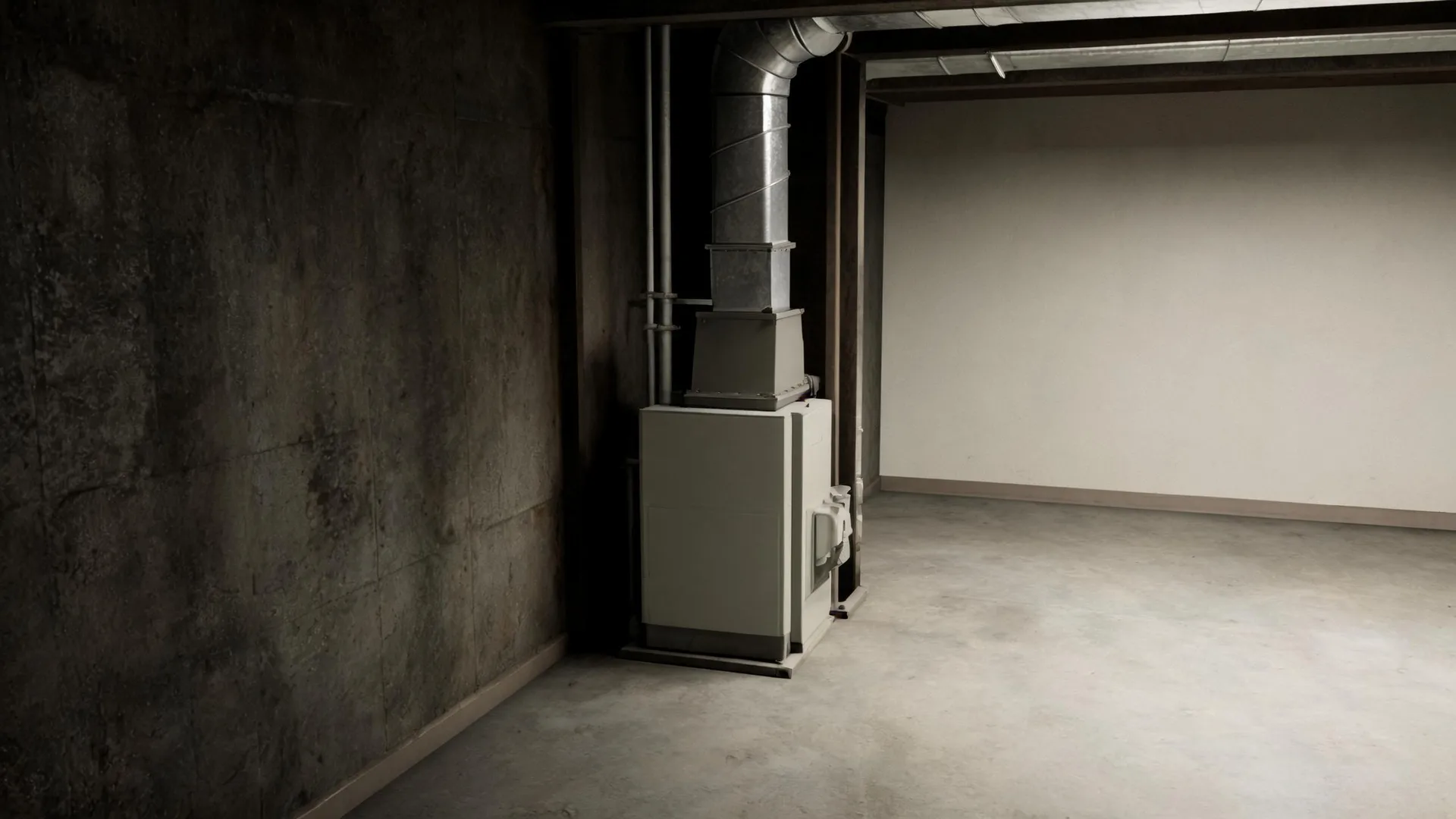
A contractor quoting a furnace installation in Silver Bow County has to size the unit around what the burner and ignition system are actually asked to do here. Homes in Silver Bow County, MT run heat about eleven months a year, from August through June. A heat exchanger that cycles through most of the calendar accumulates fatigue at a different rate than one that gets a genuine off-season. Undersizing by even a modest margin pushes the system to run harder and longer to hold temperature, and the ignition system pays for that first. Correct sizing from the start is the variable a contractor has to get right before anything else on the quote matters.
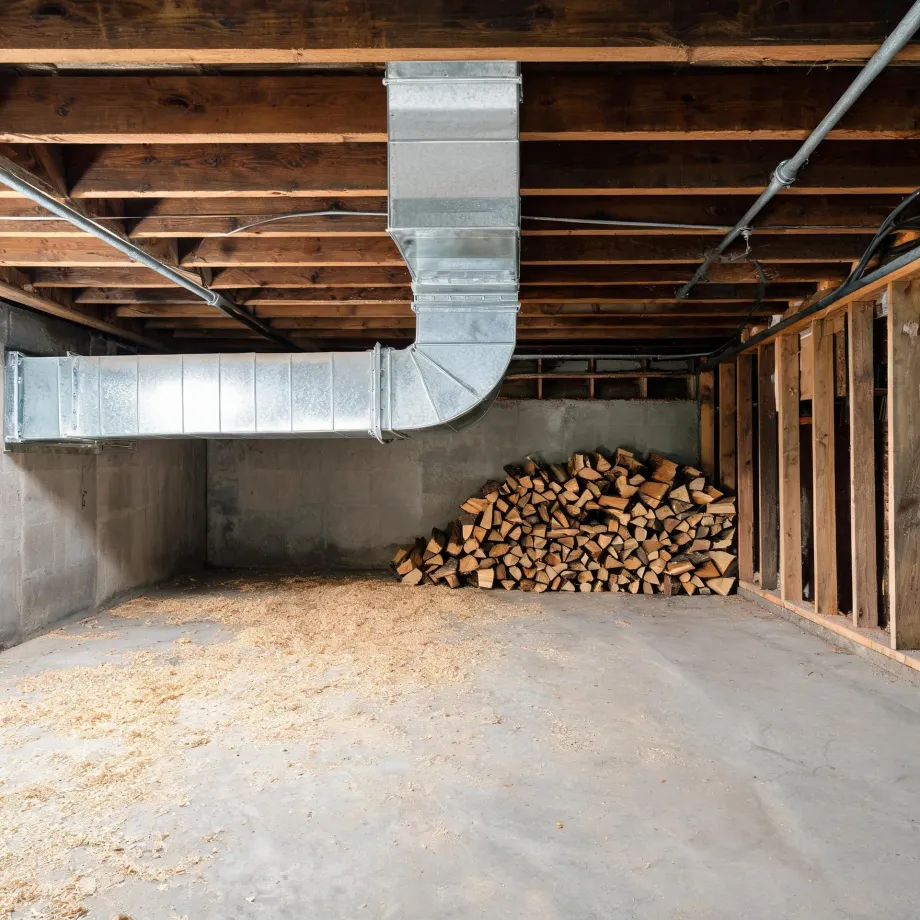
Ductwork laid down for a system that is no longer in the house sets the terms for what a furnace installation actually costs here. Half the homes in Silver Bow County, Montana were built in 1956 or earlier (2020-2024 ACS 5-year). That span of time is long enough that most duct runs in the county predate the equipment they now serve, and a new furnace draws air differently than what those passages were sized for. A contractor pulling a permit for a new unit has to trace what is already in the walls and ceiling before the equipment selection means anything.
What Gets Installed With a New Furnace
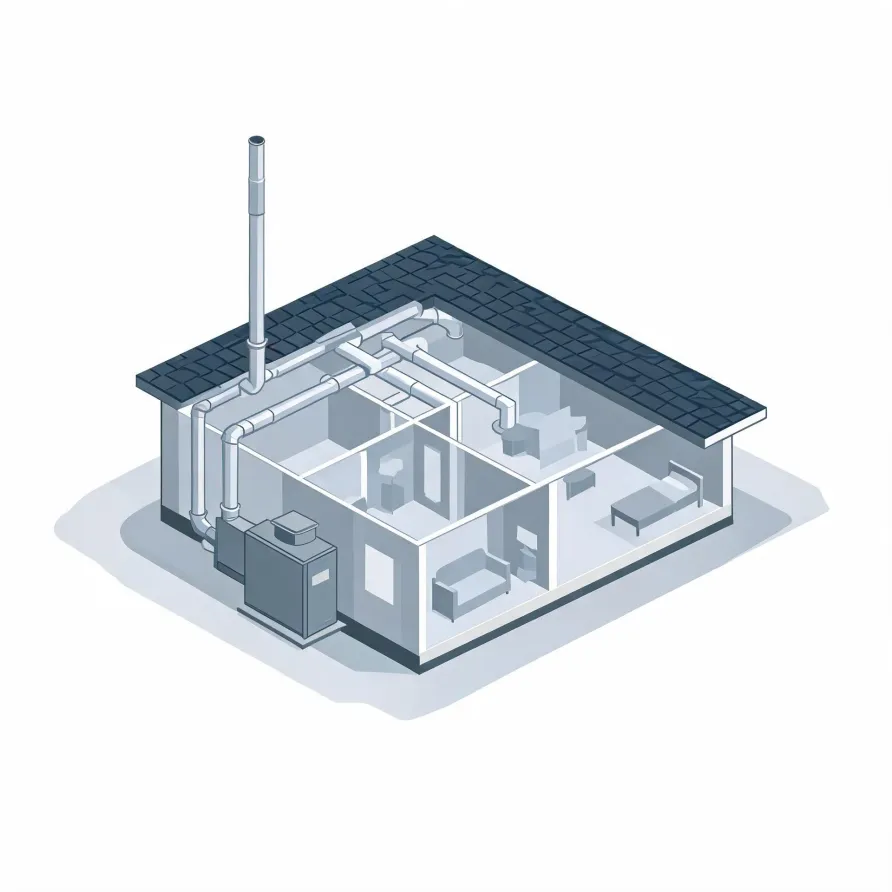
The furnace itself sits inside the house, almost always in a basement, utility room, or closet. It is the box that generates heat. A flue or exhaust pipe runs from the furnace to an exterior wall or up through the roof, carrying combustion gases out of the living space.
The air handler and blower components are housed inside the furnace cabinet, pushing conditioned air into the supply side of the home. A thermostat mounts on an interior wall and gives the homeowner direct control over when the system runs and at what temperature.
The drawing shows a typical layout, and a licensed contractor determines exactly how each piece fits your house.
Find a contractor in Silver Bow CountySilver Bow County, by the numbers
75 severe weather events were recorded in Silver Bow County, Montana between 2015 and 2024.
NOAA National Centers for Environmental Information, Storm Events Database, bulk CSV export, events 2015-01-01 through 2024-12-31.Half the homes in Silver Bow County, Montana were built in 1956 or earlier (2020-2024 ACS 5-year).
U.S. Census Bureau, 2020-2024 American Community Survey 5-Year EstimatesSilver Bow County, Montana holds 17,499 housing units (2020-2024 ACS 5-year).
U.S. Census Bureau, 2020-2024 American Community Survey 5-Year EstimatesOwners occupy 70.8% of the occupied homes in Silver Bow County, Montana (2020-2024 ACS 5-year).
U.S. Census Bureau, 2020-2024 American Community Survey 5-Year EstimatesFurnace Installation Rules for Silver Bow County, Montana6 codes, standards, and laws
What a furnace installation looks like in Silver Bow County
Non-weatherized gas furnaces manufactured on or after November 19, 2015 must reach 80.0 percent AFUE.
Non-weatherized oil-fired furnaces manufactured on or after November 19, 2015 must reach 83.0 percent AFUE.
Mobile home gas furnaces manufactured on or after November 19, 2015 must reach 80.0 percent AFUE.
Non-weatherized gas furnaces manufactured on or after December 18, 2028 must reach 95.0 percent AFUE, up from the 80.0 percent minimum that applies to units manufactured before that date.
Licensing Rules for Silver Bow County, Montana
Montana’s contractor licence does not reach a casual, minor or inconsequential job whose total price for labour, materials and everything else is less than $2,500 — and the exemption is lost if the work is only part of a larger operation, or if a job is divided up to get under the figure.
Montana requires a current construction contractor licence from the Department of Labor and Industry: an individual or business may not engage in business as a construction contractor without one.
Severe Weather Events in Silver Bow County
Montana winters put real load on heating equipment, and Silver Bow County's weather record shapes what a furnace here is asked to do year after year. That workload is a local fact, and it belongs in any honest conversation about installation.
75 severe weather events, 2015–2024. Source: NOAA National Centers for Environmental Information, Storm Events Database.