Why your furnace won't shut off in Montana

Step 1 of 3: Equipment

Why won't my furnace shut off?

Your furnace keeps running long after the house is warm, or it never cycles off at all. With a Montana winter outside, you don't want to guess wrong and end up with a system stuck off instead, so you want to know what's actually making it run nonstop before you do anything about it.

Usually a stuck relay or a thermostat telling it the house isn't warm yet

Most of the time the furnace itself is fine. The relay that controls the blower or the burners can stick closed, so the signal to shut off never gets through. A thermostat reading the wrong temperature, or sitting somewhere that fools it, like near a vent, will do the same thing by telling the furnace it still has work to do. With gas heat running hard through a Montana winter, a furnace that never shuts off is also burning gas the whole time, not just cycling the blower, so the gas bill shows it fast. A furnace stuck on can overheat and trip a safety switch, which then shuts the whole system down instead.

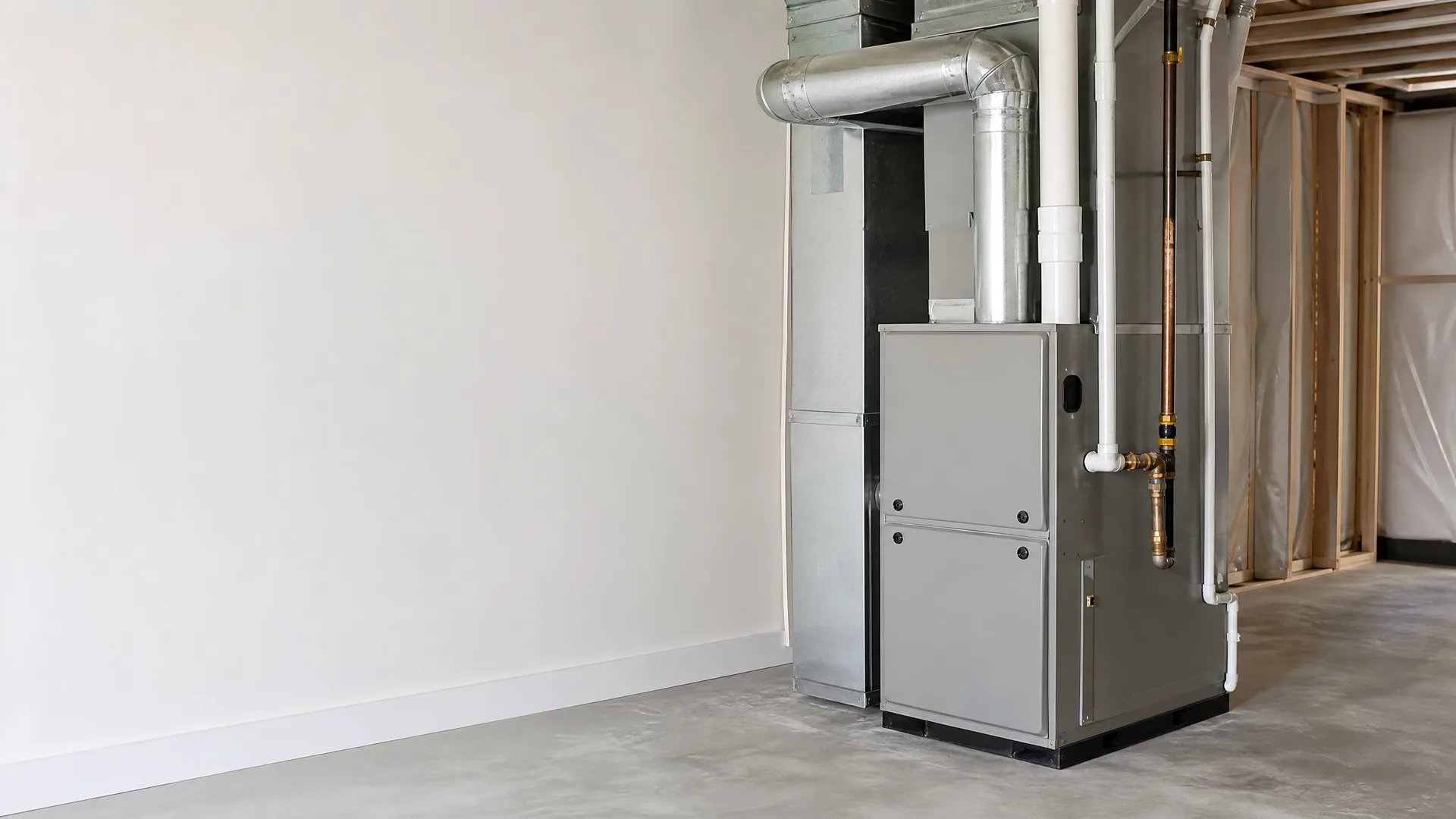
A gray high-efficiency furnace with white PVC vent pipes stands in an unfinished basement beside sheet-metal ductwork, gas piping, and insulated stud walls on a concrete floor.

Running long, but still cycling

The furnace fires, the house warms up, and it shuts off on its own, just later than it used to. This still points to a problem, maybe a dirty filter or a thermostat set wrong, but the system is still cycling and that matters.

A beige sheet-metal furnace with a louvered upper panel stands on a concrete basement floor, connected to galvanized ductwork, white PVC vent pipes, and a metal gas line with an electrical box.

Running and not stopping at all

The furnace stays on no matter what the thermostat reads. This usually means the flame sensor or limit switch isn't telling the system to stop, or a relay is stuck. Left alone through a Montana winter, this wears the unit down fast.

Thermostat Setting or Furnace Part

Thermostat problem

  • If the fan switch on the thermostat is set to On instead of Auto, the blower runs nonstop even after the burners shut off.
  • A thermostat that lost its calibration can read the room as colder than it is, so it keeps calling for heat long past comfortable.
  • Loose or corroded wires inside the thermostat can send a signal that never tells the furnace to stop.
  • Swapping batteries or resetting the thermostat is something you can check yourself before anyone touches the furnace itself.
  • This kind of fix usually costs nothing beyond a trip to look at the wiring or the switch setting.

Furnace component problem

  • A cracked heat exchanger or a failing limit switch can keep the burners firing because the control board never gets the signal to stop.
  • A flame sensor coated in residue can misread the flame and leave the gas valve open longer than it should be.
  • A stuck relay on the control board can keep sending power to the blower or the burners after the cycle should have ended.
  • This points to something inside the cabinet, not the wall, and it takes a licensed contractor to open the furnace and find which part failed.
  • Left alone, a stuck component can run up your gas use or, worse, leave a cracked exchanger pushing exhaust where it shouldn't go.
A woman with long light-brown hair in a gray knit sweater sits in a living room looking off to the side, with a sectional sofa, houseplant, lamp, wooden table and large windows behind her.
A woman in a chunky gray turtleneck sweater sits indoors looking off to the side, with a blurred dining table, chairs, pendant lamp and window behind her.
A woman in a cream knit sweater with her hair in a bun stands near a window, looking off to the side, with a gray sofa, houseplant and open kitchen with pendant lights blurred behind her.
A woman with long brown hair in a cream knit sweater stands near a window, looking to the side, with a white sofa, shelving, and a hallway visible behind her.
A gray high-efficiency furnace with white PVC vent pipes stands beside galvanized sheet-metal ductwork in a basement with a concrete floor, with a wooden staircase and railing at left.
A furnace that cycles off normally shuts the burners down once the house hits temperature, then rests until the thermostat calls again.
An older gas furnace with louvered panels sits on a concrete pad in a basement, connected to sheet-metal ductwork and PVC and metal pipes, with a water heater and wooden stair framing in the background.
A furnace stuck running past that point is either stuck on by a failed part or still being told to heat by a bad signal.

What's actually controlling the shutoff

  • The limit switch is what tells the furnace to stop firing once the air inside the plenum gets too hot.
  • A furnace that overheats because of a dirty filter or blocked duct can trip that limit switch and keep the blower running to cool things down.
  • The blower motor itself runs on a separate relay from the burners, so it can keep spinning even after the flame is out.
  • A cracked heat exchanger throws off enough extra heat that the limit switch never lets the burners shut down normally.
  • The flame sensor's job is to prove a flame is present, and a dirty or failing one can send a false signal that keeps gas flowing.
  • A stuck gas valve can hold the burners on even after the control board tells it to close.

Your furnace shuts off on a sequence, not a single switch. The thermostat calls for heat, the burners light, and once the air in the plenum reaches the right temperature, the limit switch tells the gas valve to close. That's the normal order. When a furnace won't stop running, something in that chain is either reading wrong or stuck in place.

A dirty filter or a blocked duct is the most common reason the limit switch never gets to do its job. Airflow drops, the plenum gets hotter than it should, and the switch ends up fighting a problem upstream of it rather than doing its actual function. The blower is a separate piece of this. It runs off its own relay, so even once the burners are out, the blower can keep moving air through the house on its own schedule. That's normal after a clean cycle, but if it won't stop, the relay or the control board behind it may be the issue.

Two other parts matter here. The flame sensor exists to confirm a flame is burning, and when it's coated with residue or starting to fail, it can send a signal that tells the system the flame is still there when it isn't, keeping gas flowing. The gas valve itself can also stick in the open position, which holds the burners on even after the board has already told it to shut down. A cracked heat exchanger is the one that puts off enough extra heat that the limit switch can't catch up, and that one needs a trained eye to confirm.

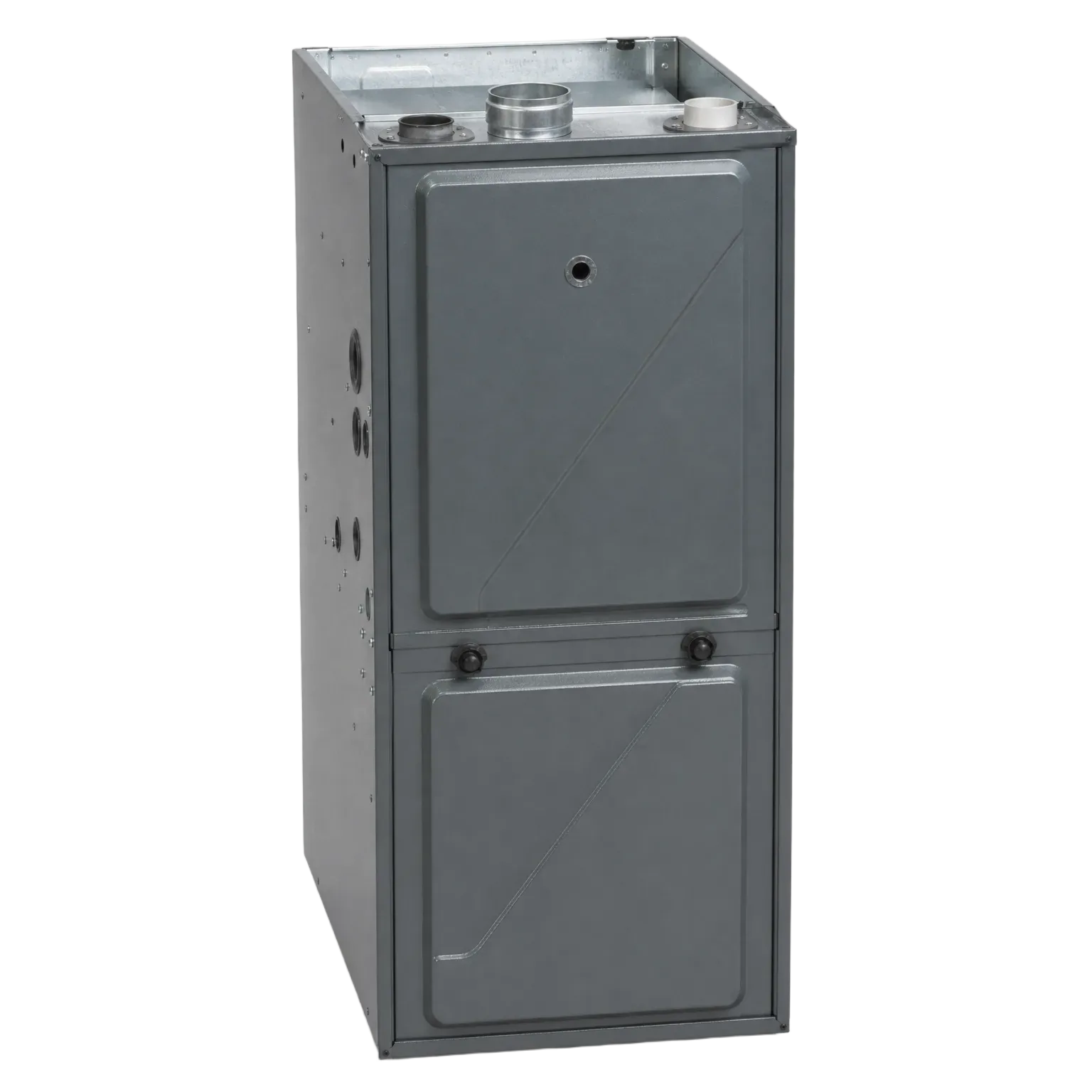
An older gas furnace with a louvered front panel stands on a concrete basement floor beside galvanized sheet-metal ductwork, a metal flue pipe, gas piping and a flexible conduit along a concrete wall.
Before you get your furnace repair
A gray furnace with sheet-metal ductwork, PVC vent pipes and a yellow gas line stands on a concrete basement floor beside wooden stair framing.
After you get your furnace repair

A furnace that won't shut off is running the blower or the burners on a part that's stuck, not on a thermostat that's lying to it half the time. That's the difference a tech checks first.

Leave it running and the limit switch, the relay, or the blower motor keeps working past where it was built to stop. That's what turns a stuck furnace into a bigger repair.

A woman and a child wrapped together in a knitted gray blanket on a couch, with the child's head resting on her shoulder and a lit table lamp and houseplant in the background.
A smiling older woman with gray hair in a cream knit sweater stands in a dimly lit kitchen beside a window showing snow outside, with a round loaf of bread on the counter in the foreground.
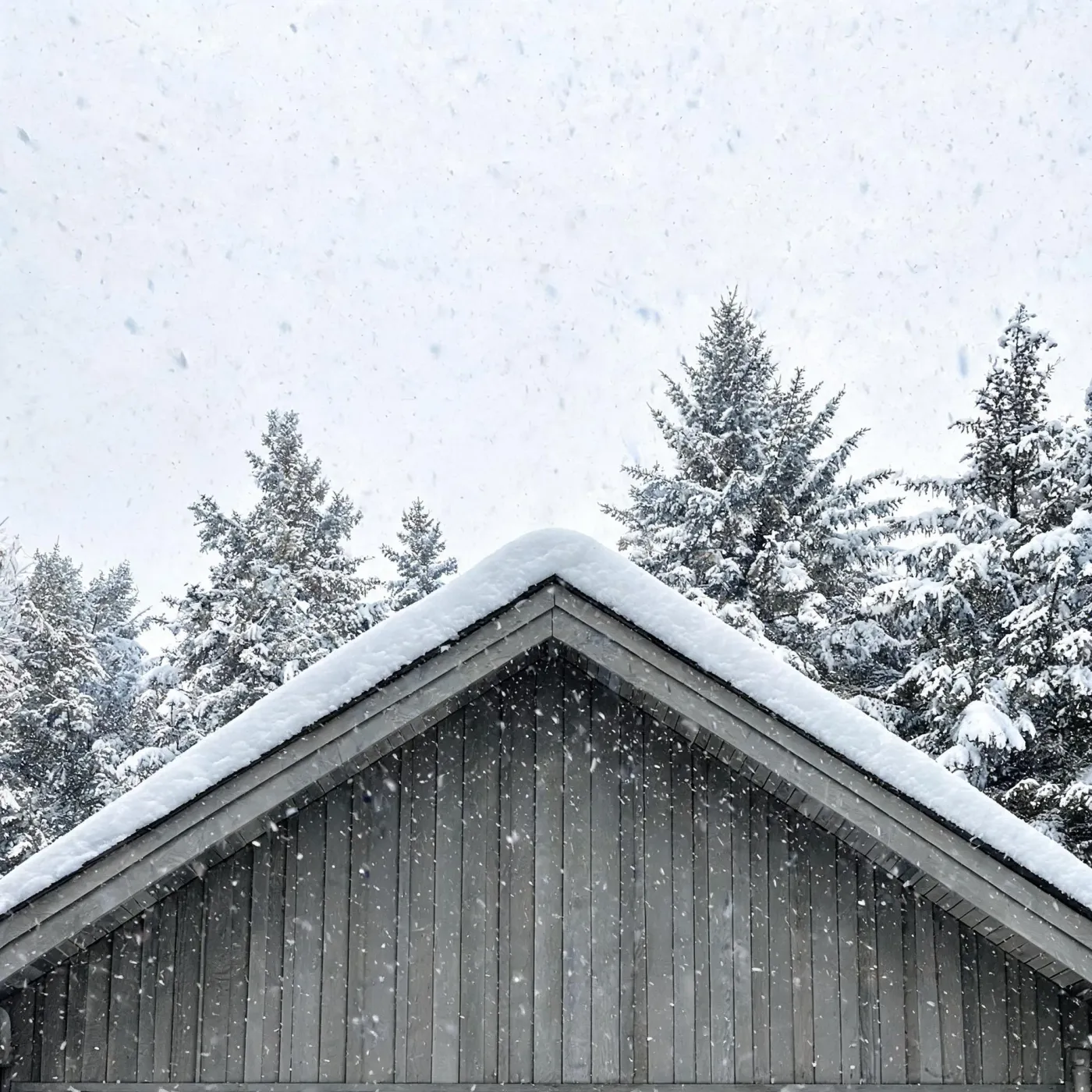
The snow-covered gable roof and vertical wood-clad upper wall of a building, with snow-laden conifers and falling snow behind it under a pale sky.

Winter nights average 15°F across Montana, according to NOAA climate data, and that's the stretch where a stuck furnace does the most damage to your patience and your bill. At that temperature your furnace is calling for heat almost constantly, so if something mechanical is holding it on, like a stuck relay or a limit switch that won't reset, it never gets the chance to rest and show you the problem is intermittent. You'll notice the blower running at 2 a.m. and the house still climbing past where the thermostat is set. A contractor who works on furnaces in Montana all winter has seen this exact pattern before and knows which part tends to fail first in weather this cold. You'll get matched with one local contractor, not a handful of companies competing for the job.

NOAA nClimDiv 1991-2020 county normals weighted by homes

Hand off the furnace problem

Only one pro gets your request, so you hear from one company.

No charge to send it. You decide if you hire them.

A gray high-efficiency furnace in a basement with PVC venting pipes, a yellow gas line, metal ductwork, concrete walls and floor, and a wood-framed stairway at left.

Cycling the way it should

This is a furnace that fires, heats the house, and shuts itself back down. The cabinet is sealed up, the flue runs clean to the PVC pipe, and the gas line sits tight. Nothing here is asking for attention. It just waits for the next call from the thermostat.

A beige furnace with a louvered front panel and metal ductwork stands on a concrete basement floor beside pipes and a white cylindrical water heater.

Stuck running

This one has been through a few winters, and the vents on the front tell you the blower's been working. If a furnace like this won't shut off, the limit switch, the relay, or the blower motor itself is usually why. Worth a look before a Montana cold snap puts it to the test.

What you're probably noticing right now

The blower is loud enough that you hear it from other rooms, and it's been going for a while. The house might actually feel too warm, or you've started turning the thermostat down just to get it to stop. Some of you are hearing the burners click on and off while the fan never quits. Touch a supply vent and the air coming out is barely warm, sometimes cool, because the system is pushing air without really heating it anymore. Your gas use for the month is going to show it. And a furnace that won't stop running is also a furnace putting hours on a blower motor that was never built to run that long without a break, which is how a stuck furnace turns into a dead one.

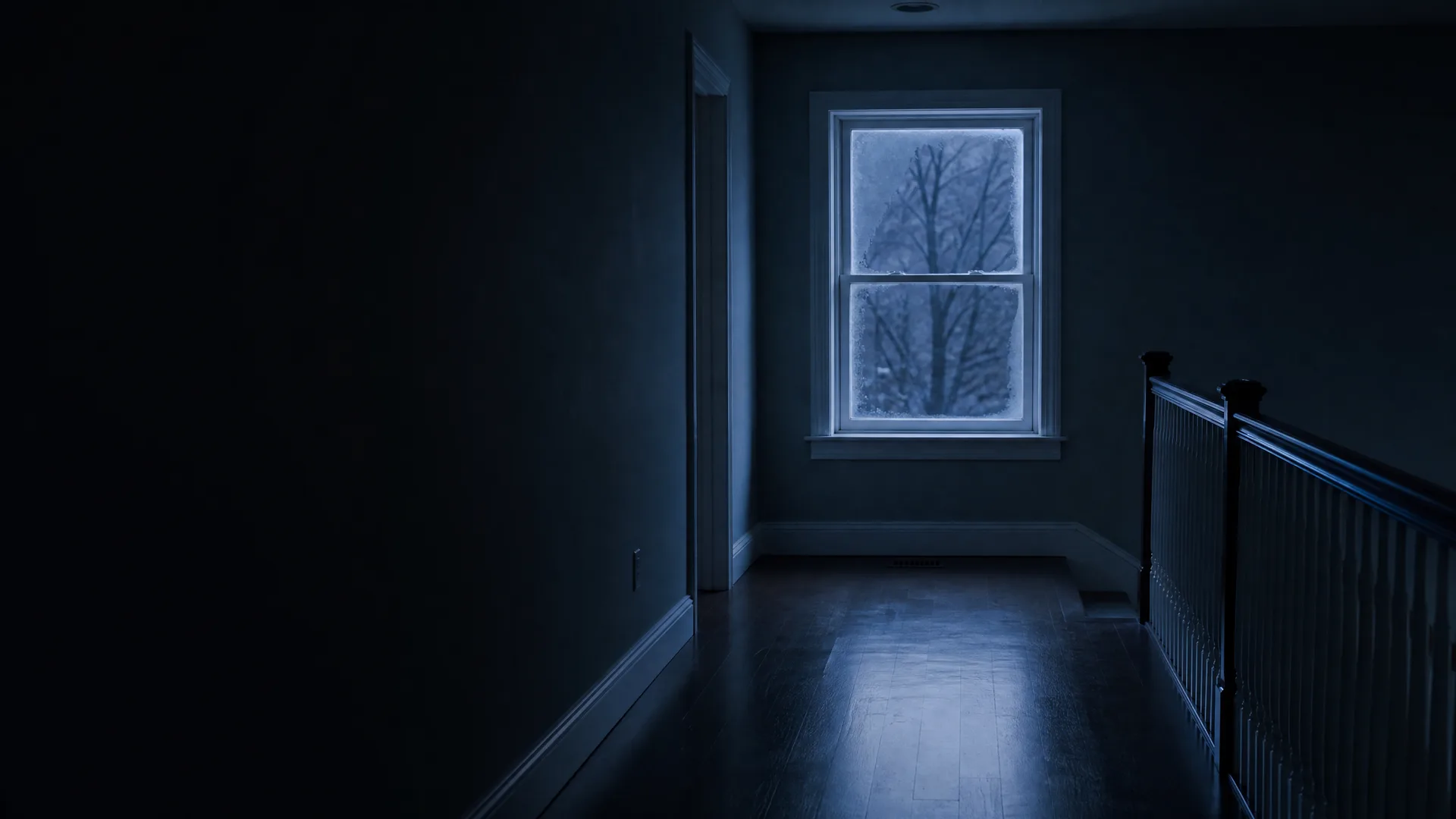
A dark interior hallway with a dark wood floor, a floor vent, a doorway on the left, and a stair railing on the right, lit only by a tall double-hung window showing bare tree branches outside.

It's two in the morning and you're up checking on the kids. The hallway floor vent isn't making a sound, which is wrong, because the blower downstairs has been running since before you went to bed. Frost has crept up the edges of the window at the end of the hall. The air up here feels thin and cold, nothing like the warm push it should be getting if the furnace is really running like you can hear it is. You stand there a second in the blue dark, listening to a machine that won't stop, heating a house that isn't getting any warmer.

Winter nights average 15°F statewide

At 15 below zero most nights, your thermostat is calling for heat almost nonstop from December through February. A furnace stuck running just adds to that normal workload, so you may not notice right away that something's actually wrong instead of just working hard.

NOAA nClimDiv 1991-2020 county normals weighted by homes

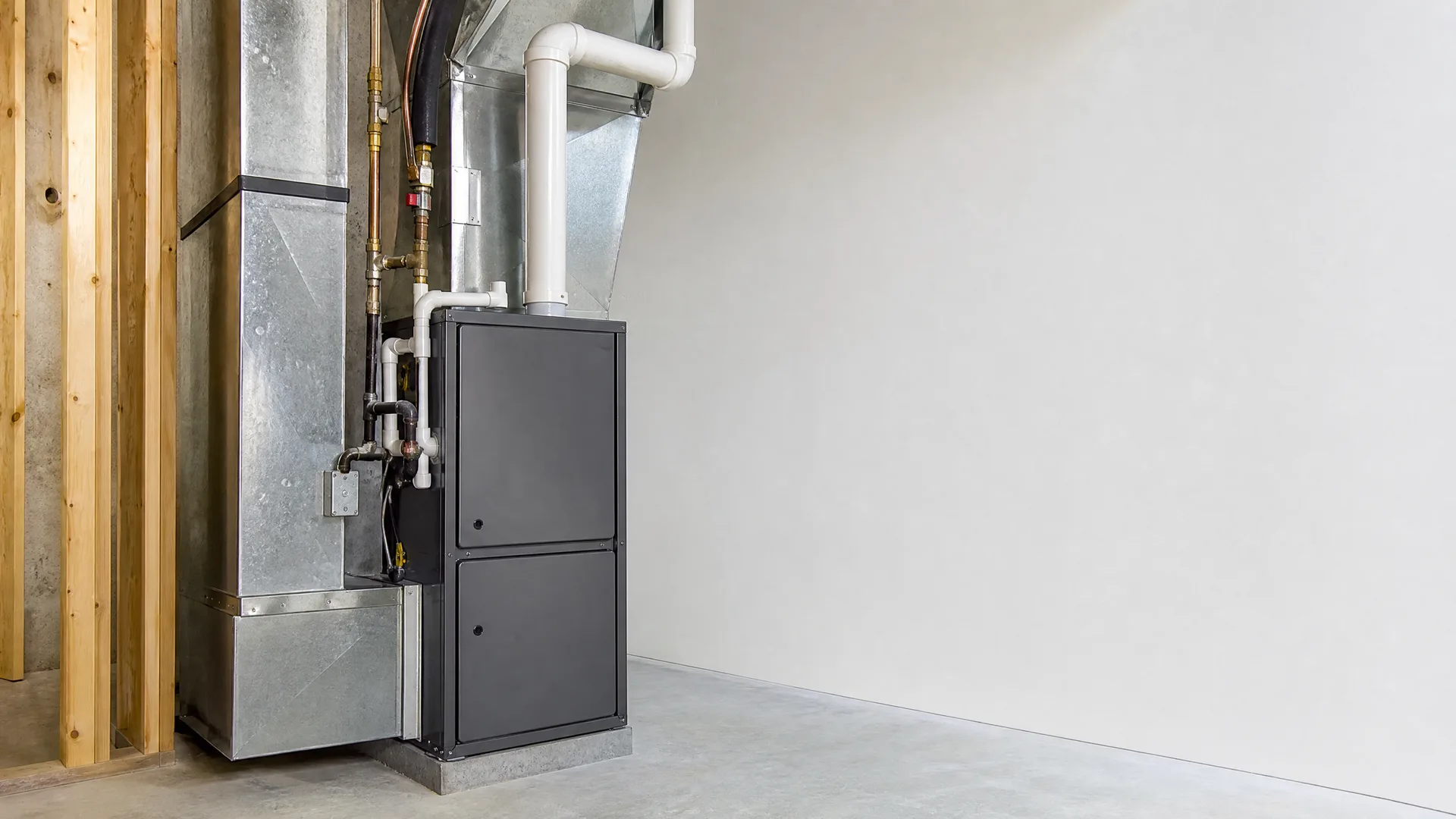
A dark gray furnace connected to galvanized sheet-metal ductwork, white PVC vent pipes and copper piping, standing against a plain light wall in a room with a bare concrete floor and exposed wood framing at left.

You catch it tonight

You hear the blower still going long after the house warmed up, so you shut off power to the furnace at the switch and call someone out. A tech checks the limit switch, the flame sensor, and the blower relay, finds the stuck part, and replaces it. The furnace cycles normally that night. You're not up at two in the morning wondering if the wiring behind the wall is drying out from heat it was never built to handle.

A gray high-efficiency furnace with sheet-metal ductwork, white PVC vent pipes and copper piping stands against a wall in an unfinished basement with a concrete floor and insulated wood stud framing at right.

You let it ride

You figure the house is warm enough and the furnace running long isn't hurting anything, so you leave it a few more days. The blower motor keeps working past where it's supposed to rest, the limit switch stays tripped, and whatever part is actually stuck doesn't fix itself. By the time you do call, the tech is replacing a burned-out motor instead of a switch, and you've spent those days listening to a furnace that never once shut off.

A furnace that won't shut off comes down to a stuck part or a bad signal telling it to keep firing. The limit switch, the blower relay, the thermostat, one of them is holding the system on past the point where it should rest. That's a repair, not something to ride out through a Montana winter. A tech who works on furnaces around here every season has seen which part usually gives out first, and checks that before anything else. You'll get matched with one licensed contractor local to you, not a handful of companies calling you back at once. Once that request goes out, the job of tracking someone down is off your plate. You still have a house to keep warm and people in it counting on that. The furnace keeps running either way until someone shuts it down and fixes what's actually wrong with it.

The gabled roof peak of a house with a stone chimney, dark siding and wood brackets, framed against forested hills and a rocky mountain ridge under a cloudy sky.

Send one request and you're done looking

Find a local pro

There's no charge for the request.

A furnace that won't shut off doesn't fix itself by morning. Every hour it keeps firing is an hour the part that's stuck gets more worn, and a cold Montana night is a bad time to find out it finally quit. Sending this now gets a local tech looking at it before that happens.