
Skip calling around
Why your furnace smells like burning in Montana
A burning smell from your furnace can mean dust burning off at the start of the season, or it can mean a cracked heat exchanger or bad wiring. This page walks through what causes each kind of smell and what it means for your system. Skip the search for a furnace repair contractor in Montana, the calls to shops that don't answer, and explaining the smell over and over. Get matched with one licensed local contractor who knows gas furnaces here.
Describe it onceA burning smell usually means dust burning off the heat exchanger or burner the first time your furnace fires up after sitting idle all summer. That smell should clear in an hour or so, once the dust is gone. If it doesn't clear, or if it smells sharp and electrical instead of dusty, something inside the furnace is overheating. A belt or motor bearing running dry smells hot and metallic. Wiring that's loose or burning smells sharp, almost like a struck match held too close. A cracked heat exchanger can smell faintly of exhaust, not quite burning, and that one matters most because it can let combustion gas into your home instead of venting it outside. Montana winters mean your furnace runs for months straight, so a small problem at the start keeps getting worse the longer it runs. A smell that lingers past the first hour is your furnace telling you something is wrong, not just dusty.

Dust smell versus a sharp smell
Dust burning off smells like a hot stovetop with something forgotten on it. It fades as the burner runs. A sharp or acrid smell is different. That usually means wiring insulation getting hot, or a plastic part too close to the burner flame. That smell doesn't fade. It can get stronger as the furnace keeps running, and it won't clear on its own the way a dust smell does.

What a cracked heat exchanger does
The heat exchanger separates the burner flame from the air moving through your ducts into your rooms. A crack lets combustion byproducts mix into that air instead of venting outside. It can smell like formaldehyde or a sharp chemical odor rather than ordinary burning. A furnace that's run every winter in Montana for many years is the kind most likely to develop one, since the metal has gone through repeated heating and cooling cycles.
Why does my furnace smell like it's burning when it first kicks on?
You turned the furnace on for the first time this fall and caught that burning smell right away. Before you decide whether to shut it off or let it run, it helps to know what's actually happening inside the cabinet when a furnace that's been sitting idle since spring fires up again.
It's dust burning off the heat exchanger and burner
All summer, dust settles on the burner assembly and the heat exchanger inside your furnace. In Montana, that's five or six months where the furnace never fires, plenty of time for a layer to build up. When the burner lights again, that dust sits right in the flame path and burns off as the metal heats up. You get a smell like something scorching on a stovetop, and some homes notice a thin haze near the vents too. It happens whether the furnace is two years old or twenty, because every furnace collects dust the same way when it isn't running. The flame itself doesn't change. It's the dust around it catching the heat.




Montana winters don't give a furnace much room for error. If the burning smell is still there after the first hour, you're not just dealing with an odor. You could be paying more on gas for less heat, since a furnace working harder than it should is burning fuel without warming the house the way it's supposed to. A cracked heat exchanger is a separate problem that won't announce itself the way a smell does. Carbon monoxide doesn't have an odor of its own, so you'd have no way to know it's mixing with the air your furnace is pushing through the vents. Wiring that's overheating near the blower or control board can shut the whole system down, and on a cold night in Montana that means no heat until someone gets out to look at it. The pattern matters too. A smell that fades once and stays gone is one thing. A smell that comes back every time the furnace cycles on means something isn't cooling down the way it should between runs, and that's worth having someone check before it decides the timing for you.
What a lingering smell costs you
- A furnace that's run all day with a burning smell that never clears is probably losing heat faster than normal, costing you in gas without actually keeping the house warm.
- A cracked heat exchanger can let carbon monoxide into the air your furnace blows through the house, which you can't smell on its own.
- Wiring that overheats near the blower or control board can trip the furnace off entirely, leaving you without heat on a cold Montana night.
- If the smell comes back every time the furnace cycles rather than fading after the first hour, something is staying too hot instead of cooling off like it should.
- Waiting on a sharp or acrid smell risks turning a single part failure into a shutdown that leaves your whole house without heat until it's fixed.
- A furnace that keeps smelling burnt after the dust has had time to clear is telling you something specific is wrong, not just that the season has started.


Describe it once

Your request goes to one pro, not a list of companies.
You're not committing to anything by asking.
How a Furnace Actually Fires
- A furnace fires in a set order: the inducer motor starts, the igniter glows, gas opens, then the burners light.
- The burners sit under the heat exchanger, and that metal is what actually heats the air moving through your ducts.
- A cracked heat exchanger lets flue gas touch air it was never supposed to mix with, and that's where the sharp smell comes from.
- Flame sensors and limit switches are built to shut the burners down if something runs too hot, which is why a furnace sometimes cuts out on its own.
- Wiring sits close to the blower and the burner compartment, so a loose connection there can smell like burning plastic before it smells like smoke.
- A technician checks the heat exchanger with a camera or a combustion analyzer, since a crack isn't something you can usually see by opening the panel.
Your furnace follows the same sequence every time it starts. The inducer motor kicks on first, clearing the exchanger of leftover air before anything lights. The igniter glows, the gas valve opens, and the burners catch. All of that happens in a few seconds, and it's supposed to happen in that order every single time.
The burners sit directly under the heat exchanger. That piece of metal is what separates the flame from the air moving through your ducts into your house. It heats the air without letting combustion gas touch it. When the exchanger cracks, that separation fails, and flue gas gets into the air your furnace is blowing. That's usually where a sharp or chemical smell comes from, not dust.
Furnaces carry safety switches for exactly this kind of failure. The flame sensor and the limit switch are built to cut the burners off if something runs hotter than it should. So if your furnace fires, runs a few minutes, and shuts off on its own, that's not necessarily a fluke. It can be the furnace protecting itself.
Wiring runs close to both the blower and the burner compartment, and a connection that's worked loose there can smell like burning plastic before you see any sign of smoke. None of this is something you can diagnose by taking the front panel off and looking. A cracked exchanger especially needs a camera inspection or a combustion analyzer to confirm, since the crack itself is usually hidden from view.



The thermostat read ten below outside, and the house had gone quiet the way it does at 2 a.m. You woke up because the vents weren't moving air. Down the hallway, frost had crept up the edges of the window, a thin white rim catching the blue light off the snow. You held your hand over the floor vent. Nothing. No hum from the basement either. Somewhere under the house the furnace had cut out, and whatever burning smell had been drifting up the stairs the last few nights was gone now too, because nothing was running to make it. You stood there in the cold hallway, waiting to hear it kick back on. It didn't.
What are you noticing when the furnace kicks on
You walk past the thermostat and catch it before you even think about it, that burning smell drifting out of the vents. Maybe it's faint and gone in a few minutes. Maybe it's still there an hour later, and now it smells less like dust and more like something electrical, or like plastic warming up where it shouldn't be. You might hear the furnace cycling on and off more than usual, or notice one room staying cold while the smell lingers in another. If the smell keeps coming back every time the furnace fires, or if it's sharp enough to make you want to open a window in January, that's worth paying attention to. A furnace running that way can be burning more gas to heat the same house, and a cracked heat exchanger behind that smell can put carbon monoxide into the air your family breathes.
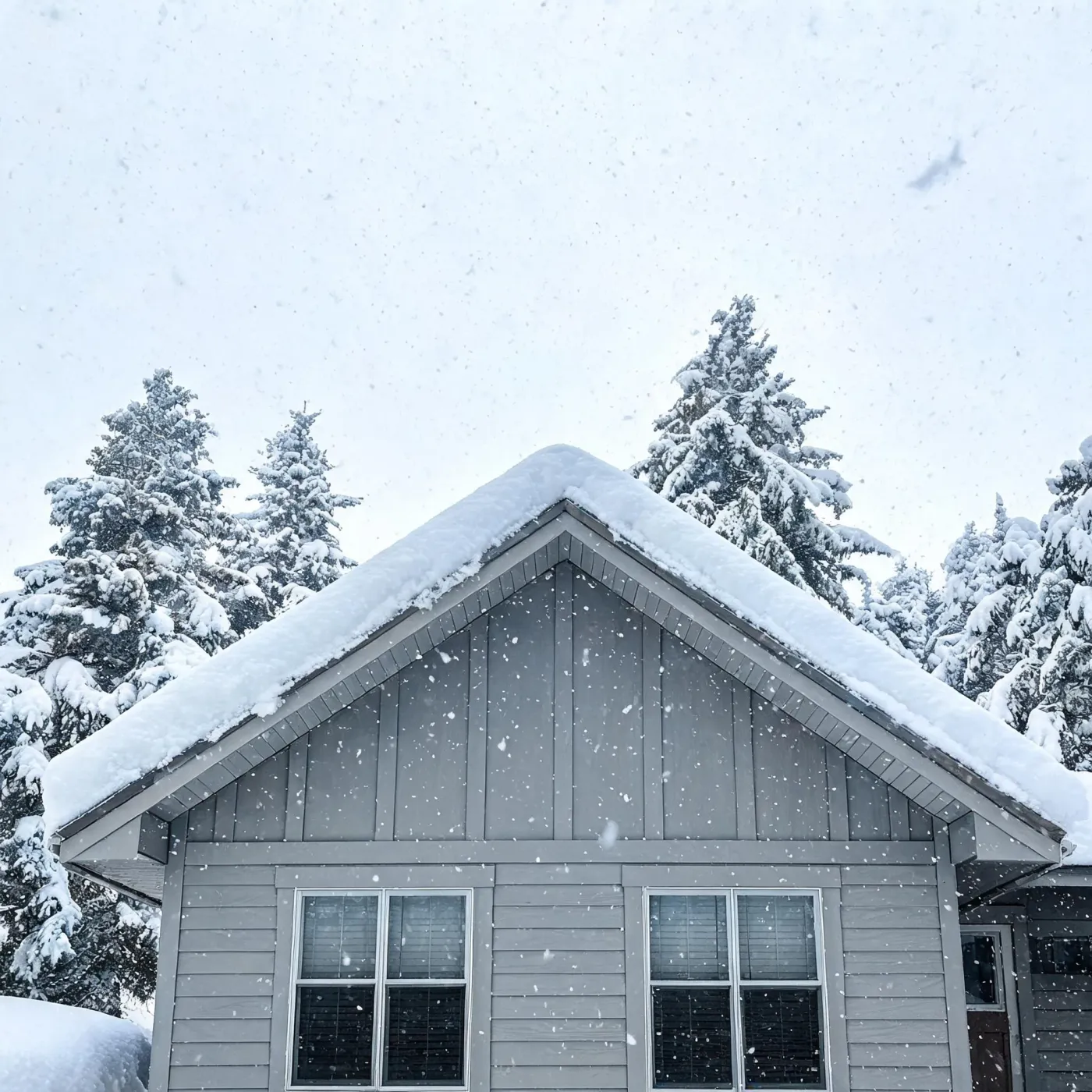
Winter nights in Montana average 15°F statewide, according to NOAA. At that temperature your furnace isn't cycling on and off a few times a day, it's running long stretches just to hold the house steady. That's more hours of burners firing, more hours of air moving past the heat exchanger and the wiring near it. A burning smell that would fade quick on a mild night has more time and more heat to work with on a night like that. If the smell is still there after the furnace has been running a while in this kind of cold, it's worth paying attention to rather than waiting it out.
NOAA nClimDiv 1991-2020 county normals weighted by homes


Thermostat calls for heat and the inducer motor starts spinning
Pressure switch confirms draft before any gas is allowed through
Igniter heats up until it glows hot enough to light gas
Gas valve opens and burners ignite above the heat exchanger
Winter nights average 15°F statewide
At 15°F, your furnace is firing long stretches most nights, not short bursts. That's more hours with burners lit and dust or wiring heating up near the exchanger, so a burning smell that lingers past the first fire-up is worth checking before the cold sets in for good.
NOAA nClimDiv 1991-2020 county normals weighted by homes

A burning smell that doesn't clear is worth a look
A burning smell on the first cold morning is dust. Give it an hour. A burning smell that stays, or one that smells sharp instead of dusty, means something in the furnace needs a technician's eyes on it before the next hard freeze. That's the whole answer. Everything else on this page is the reasoning behind it.
Finding someone to look at it is its own chore. You'd be calling around Montana, telling each one the same story about the smell and when it started, waiting on quotes, trying to guess which company actually knows furnaces and which one just answers the phone. Request a repair here and one local contractor who works on these systems all winter gets the details and calls you back, so you're not managing three conversations about the same burning smell.


No phone calls to make