 Skip the calls
Why your furnace is blowing cold air in Montana
Describe your furnace job once, to one pro.
A furnace blowing cold air in the middle of a Montana winter is not a small thing. You need it working, not in a day or two, but now.
A few causes are quick to check. The thermostat fan switch set to "on" instead of "auto" will push air through the ducts between heating cycles, and that air feels cold because it never passed over a heated surface. A dirty filter can choke airflow enough that the furnace overheats and shuts the burners off while the blower keeps running. Beyond that, you're likely looking at an ignition problem, a bad flame sensor, or a control board that isn't telling the burners to fire.
Figuring out which one it is means getting a gas furnace apart and testing it with the right tools. That's not a homeowner job, and it's not something to leave for long when the forecast is below freezing.
What usually eats the time isn't the repair itself. It's finding someone who can do it. You'd normally start calling around, explaining the same problem to every shop that picks up, asking if they work on your furnace, waiting to hear back, then weighing quotes that don't tell you much because no one's actually looked at the unit yet.
This page skips that part. Tell it what's going on, and it connects you with a licensed contractor near you in Montana, someone who works on furnaces all winter and has seen this exact complaint plenty of times. You're not handing your number to five different companies and fielding calls all afternoon. It's one contractor, matched to your situation, who can get to the actual diagnosis instead of a guess over the phone.
From there it's a matter of getting someone to your door with a meter and a reason for what they find.
Why is my furnace blowing cold air?
You went to check on the furnace and the air coming out of the vents is cold, not warm. With temperatures outside dropping hard, you want to know whether this is something simple or a sign the furnace is failing on you.
Usually the furnace is trying to start and failing partway through
A gas furnace runs through steps before warm air reaches you: the igniter lights the burners, the heat exchanger warms up, then the blower turns on to push that heat through the ducts. If something stops the burners from lighting, or shuts them off right after, the blower often still runs on schedule and pushes room-temperature or cold air instead. A dirty flame sensor, a cracked igniter or a blocked intake can all cause this. In Montana, with gas heat run hard for months at a stretch, these parts wear and the furnace is more likely to hit this exact failure partway through a cold snap, right when you need it most.

A furnace that won't stay lit
A gas furnace that keeps shutting off the burner will still run the blower. Warm air stops but the fan keeps moving, so you get a steady stream of cold air instead of nothing at all. A dirty flame sensor is a common cause of this, since it can't tell the burner the flame is there and the control board shuts the gas off as a safety step.

Why the blower keeps running
The blower motor and the burner are controlled separately. If the igniter fails or the gas valve doesn't open, the burner never lights, but nothing tells the blower to stop. It runs on its own timer or thermostat call, pushing whatever air is in the ducts through the house. That's why a furnace can sound like it's working fine while blowing air that never got heated.
What's Behind the Cold Air
Ignition or gas supply problem
- A cracked igniter or a failed flame sensor keeps the burner from lighting, so the blower runs on air that never gets heated.
- A furnace that lights then shuts off within seconds often has a flame sensor too dirty to detect the flame.
- If the gas valve isn't opening, the blower still starts on schedule and pushes room-temperature air through the ducts.
- This kind of failure usually shows a code on the control board that a technician can read to find the exact part at fault.
- Montana winters put a furnace through long, repeated burner cycles, and that wear is what often takes out an igniter first.
Thermostat or airflow issue
- A fan switch set to "on" instead of "auto" runs the blower nonstop, including the stretches between burner cycles when no heat is being made.
- A thermostat with dead batteries or a loose wire can call for fan only, never sending the signal that tells the furnace to fire the burner.
- A filter clogged enough to choke airflow can trip a high-limit switch, which cuts the burner but leaves the blower running.
- These causes don't involve the gas valve or ignition parts at all, so the fix is on the thermostat or air side of the system.
- Checking the fan setting and the filter takes a couple of minutes and rules out the simplest explanations first.
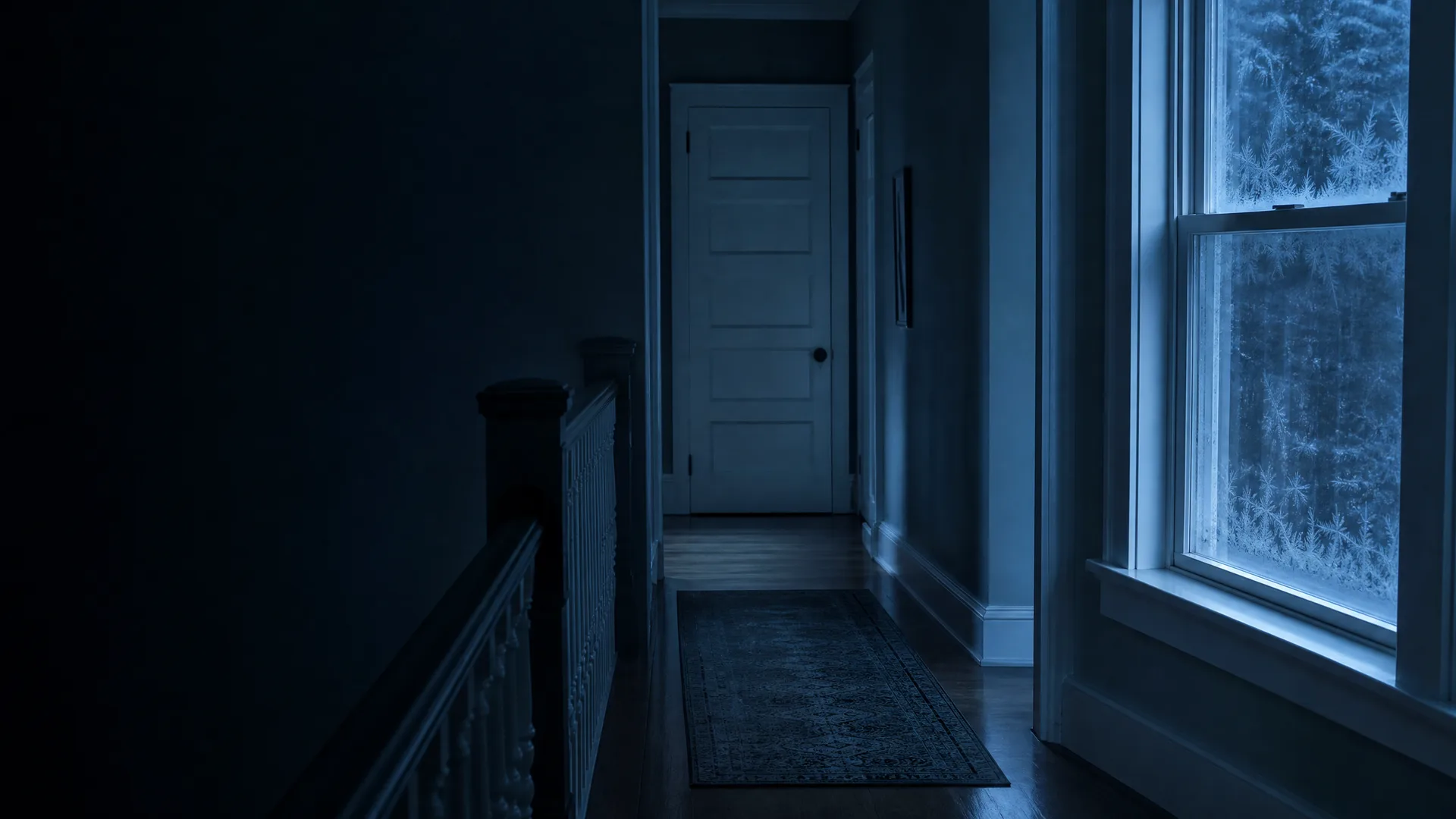
You wake up around two and the house feels wrong before you even check the clock. The hallway floor is cold under your feet. You stand by the vent at the top of the stairs and hold your hand over it. Nothing but air, no warmth in it at all. Outside the window the frost has crept up from the corners, and the glass glows that flat blue a Montana night gets when it's well below freezing. You can hear the furnace running somewhere below, the blower pushing steady, but whatever it's pushing isn't heat. You stand there a minute, listening, before you go looking for a jacket and your phone.
One form, no calling around
You have already checked the thermostat and the filter, and the air is still cold. At this point you need someone who can get a gas line, an igniter, or a blower motor open and tell you which one it is. That means finding a furnace contractor, calling to see if they even take emergency calls this time of year, describing the same cold-air problem three or four times to different dispatchers, and then weighing quotes you have no real way to compare while your house keeps losing heat. Send the request here instead and it goes to one licensed contractor working in Montana, someone who deals with furnaces failing in this kind of cold every winter and knows what usually causes a burner to quit lighting or a blower to keep running without heat behind it. You are not left sorting through five callbacks. You are not explaining the problem over and over. You get one contractor who already knows what a cold furnace in a Montana winter usually means, while the house is still cold and the wind is still blowing outside.
A thermostat fan set to "on" costs you nothing to fix. Flip it to "auto" and the cold air stops within a minute, because the blower only runs when the burner is actually heating.
A cracked heat exchanger or a failed ignition control costs you a service call. The blower keeps moving air through the ducts, but nothing in the furnace is making that air warm, and no switch on the wall fixes that.




How a furnace actually fires up
- A furnace heats in a set order: pilot flame or igniter fires, the burner catches, and only then does the blower switch on to push warm air.
- A sensor called the limit switch is what tells the blower to start, and it only closes once the heat exchanger reaches a set temperature.
- If the burner never lights, that limit switch never trips, so the blower stays off or runs on whatever air is already in the ducts.
- Gas furnaces purge the burner chamber with the inducer motor before the igniter fires, and a bad inducer can stall that whole sequence.
- A furnace that lights late or weak can still trip the blower on, which is why you get air moving before it ever feels warm.
- Once the burner shuts off, the blower keeps running for a short time to clear leftover heat from the exchanger, which can feel cold near the end.
A gas furnace doesn't just turn on and blow warm air. It follows a sequence, and every step has to work for the air coming out of your vents to be warm. First the inducer motor runs to clear the burner chamber of any leftover gas. Then the igniter or pilot lights, and the burner catches. Only after that does a sensor called the limit switch close, and that's what actually tells the blower to start pushing air through your ducts. That order matters because the blower isn't reading whether the air is warm. It's reading whether the limit switch has tripped, which depends on the heat exchanger reaching a set temperature.
That's why a furnace can blow cold air without being broken in some obvious way. If the inducer motor is weak, the purge cycle can stall before the igniter ever fires. If the burner lights late or burns weak, the limit switch can still close, and the blower kicks on before the air has had time to heat up. You feel moving air that isn't warm yet, not because the furnace is doing nothing, but because it's partway through a sequence that hasn't caught up. Even after the burner shuts off normally, the blower keeps running for a short stretch to pull the last heat out of the exchanger, and that tail end can feel cold too. Knowing where in that sequence things are stalling is most of the diagnosis.
Winter nights average 15°F statewide
At 15°F, your furnace is firing often, and every cycle depends on the igniter and flame sensor catching cleanly. When one of them fails on a night that cold, you feel it fast, since the house has no warm air to coast on.
NOAA nClimDiv 1991-2020 county normals weighted by homes
Thermostat calls for heat and opens the gas valve.
Igniter heats up or the pilot lights the burner.
Flame sensor confirms the burner caught and stays lit.
Heat exchanger warms as the burner keeps firing.


Statewide, winter nights average 15°F, according to NOAA climate data. At that temperature a furnace is running long stretches to hold the house steady, not short bursts here and there. The burner is lighting over and over through the night, and the igniter and flame sensor are doing that work each time with no break to coast on. If either one is starting to fail, a cold night like this is when it shows. You will not get a lukewarm vent. You will get cold air blowing while the house loses ground, because there is no stored heat anywhere in the system to fall back on.
NOAA nClimDiv 1991-2020 county normals weighted by homes
A furnace blowing cold air almost always comes down to the thermostat fan switch, a dirty flame sensor, or an igniter that has failed, and a contractor who opens the cabinet will know which one within minutes. Montana winters don't give you room to wait on a guess. The contractor matched to this request works on furnaces in homes around you all winter long, through nights at 15°F and colder, and knows which part tends to go first in weather like that. You get one contractor, not a handful of companies competing for the callback, and that contractor is licensed to do the work, not just diagnose it. No explaining the problem twice, no sorting through quotes from strangers. Just someone local who has seen this exact failure before, on a night like this one, in a house not unlike yours.
Skip the search