Why one room stays cold in a Montana winter
Tell a local repair pro what your furnace is doing.
A cold room usually means heat isn't getting there, not that the furnace is failing everywhere else. The duct feeding that room may be crimped, disconnected, or just too long a run from the furnace to keep up once it's well below freezing outside. Sometimes it's simpler: a register closed or blocked by furniture, or a return vent in that room starved for air so the furnace can't push warm air back in. If the room is above a garage or sits on an outside corner, it fights heat loss the rest of the house doesn't, and a furnace sized for the whole home won't always win that fight room by room. None of this means the furnace needs replacing. It usually means one part of the duct system or one register isn't doing its job, and that's a repair, not a rebuild.




Why does that one room never warm up
You've probably felt it already: that room reads ten degrees colder than the rest of the house, and shutting the door doesn't help. Maybe the vent barely puts out air when you hold your hand over it, or the floor near it stays cold even with the furnace running. If it's a bedroom, you're layering on blankets or running a space heater just to make it usable. Left alone, that room will keep losing the fight every time it drops well below freezing outside, and a space heater running for hours in a closed room is its own risk. The rest of the house heating fine while one room doesn't points to something specific in that room's path, not a furnace on its way out.
Longer duct runs lose heat first
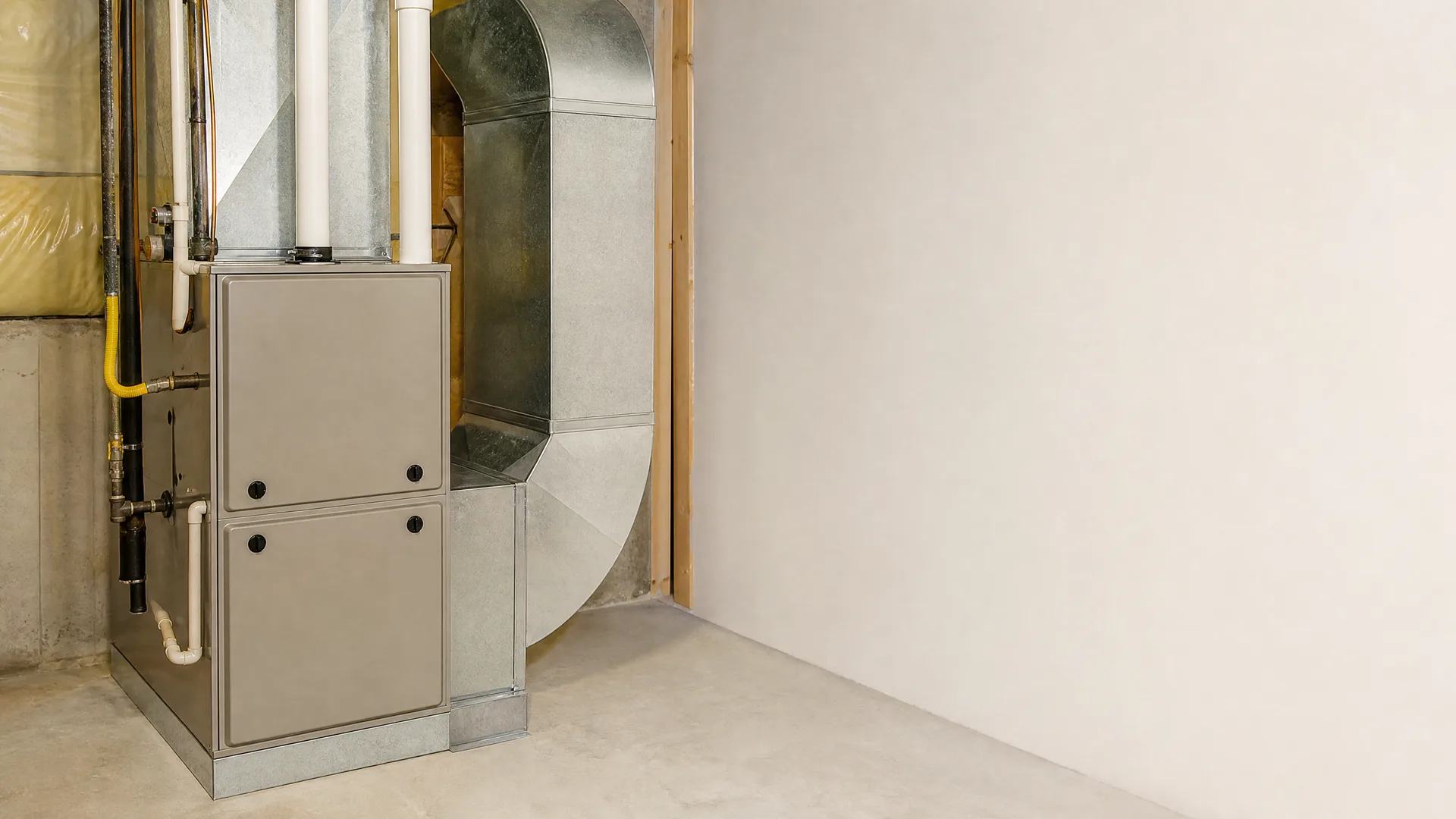
Furnace air travels through metal or flex duct to reach every room, and the room farthest from the furnace sits at the end of the longest run. Heat bleeds off along the way, especially where ductwork passes through a garage, attic or crawlspace that isn't heated. By the time that air reaches the last vent, it's cooler than what left the furnace. Below zero outside, that difference is enough to leave one room noticeably colder than the rest of the house.
A closed vent can starve the system
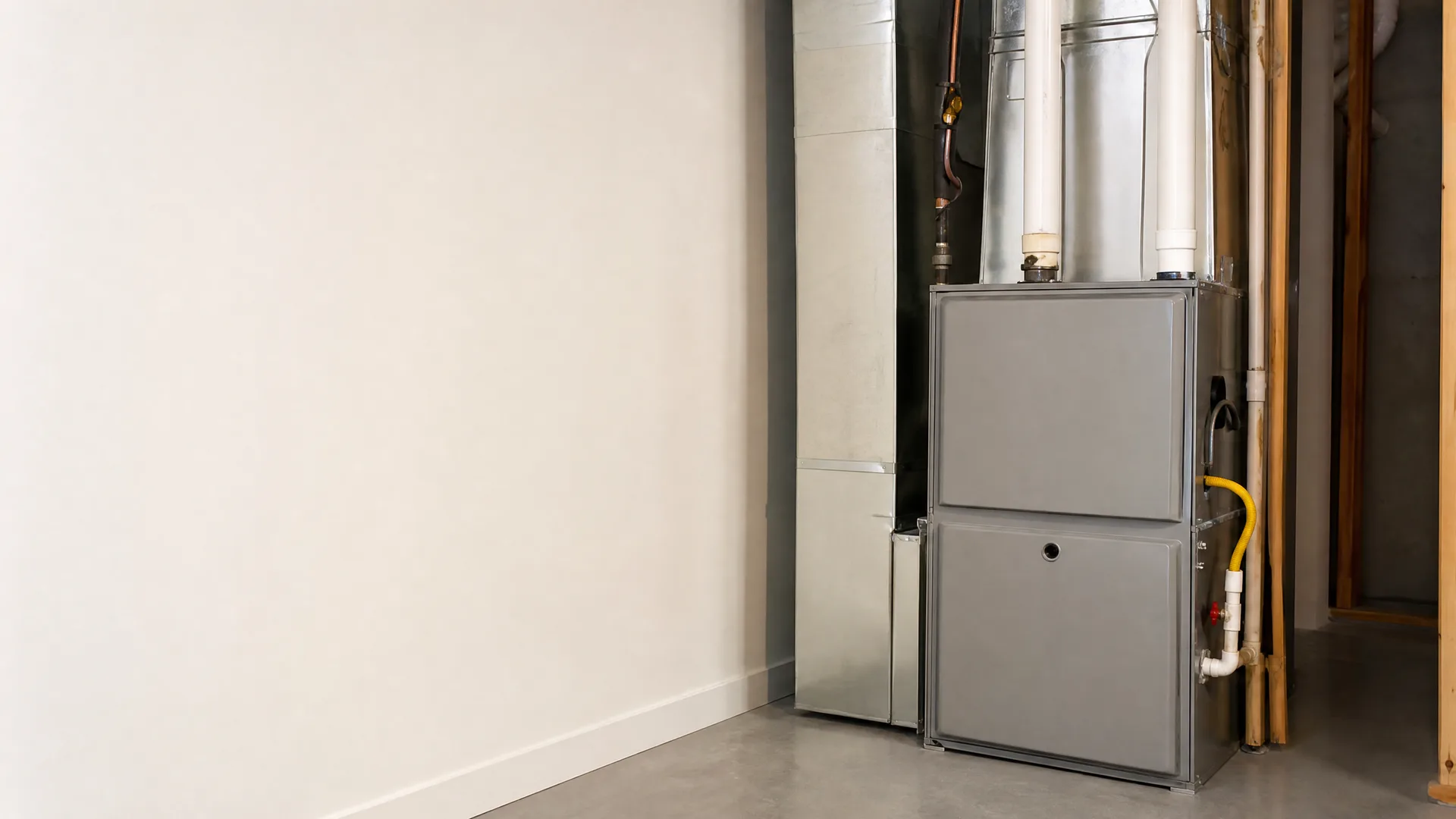
Closing vents in unused rooms to save money seems reasonable, but furnaces are built to push a set volume of air through the whole duct system. Shut enough vents and pressure builds up, which can reduce airflow to other rooms instead of sending more heat where you want it. If one room runs cold and others are closed off, opening them back up sometimes restores balance to the room that's been struggling.

Why the damper matters more than the vent
Most forced-air systems split off into branch ducts somewhere past the furnace, and a lot of those branches have a damper built into them, a metal flap inside the duct with a handle on the outside that turns it. Someone doing other work in the basement or crawlspace can bump that handle without knowing it controls the duct to your cold room. Half closed, that damper cuts the airflow to that one room while every other vent in the house runs fine. It's also one of the easier things to check before assuming the whole duct run is the problem.
A contractor who works on furnaces in this area all winter has likely traced this exact complaint before, one room cold while the rest of the house holds steady. Getting matched with someone local who already knows where dampers sit on systems like yours, and who services one house at a time instead of juggling a list, means the visit is about your actual duct, not a general inspection.

Winter nights average 15°F statewide
At 15°F, your furnace is running long cycles most of the night to hold the house steady. A room at the end of a weak or crimped duct run falls behind fast at that temperature, and it won't catch back up until the furnace cycles off and the rest of the house stops pulling air.
NOAA nClimDiv 1991-2020 county normals weighted by homes


A furnace pro near you
A cold bedroom in a Montana winter isn't something to live with until spring. Once nights sit at 15°F or lower, a weak duct run or a damper closed the wrong way won't fix itself, and most of what's wrong is inside walls and ductwork you can't get to without pulling things apart. That's work for someone who already knows where these runs tend to lose heat and which dampers get bumped shut by accident. A contractor matched to you through this page is local, licensed, and works on furnaces like yours all winter here, so they've likely seen this exact room-by-room problem before. You'll hear from one contractor, not a handful calling at once. Send the request and let someone who knows this equipment take a look before the next cold snap makes that room harder to sit in.
One Weak Run, Not a Weak Furnace
- A cold room comes down to a duct, a damper, or a run that's too long for the furnace to keep up once it's well below freezing.
- Nothing about that points to the furnace failing overall, just one path not getting enough heat to that room.
- Closing other vents or cranking the thermostat won't fix a crimped line or a damper stuck half shut.
- A contractor who works on furnaces in Montana all winter has likely traced this same problem through plenty of other houses.
- Getting matched means one licensed local contractor looking at your ductwork, not several companies calling about the same job.
- Once you know which room and how cold it's running, there's enough here to get it looked at before the next cold snap.
The room that won't warm up is telling you something narrow: one duct, one damper, one run too long to keep pace once it's well below freezing outside. It isn't telling you the furnace is on its way out. The rest of the house is proof of that. Heat is reaching every other room fine, which means the furnace is doing its job. What it can't do is force more air down a line that's crimped, disconnected, or just too far from the blower to hold up on a hard night.
That's a mechanical problem sitting inside your walls and ductwork, past the point you can see or reach it. Shutting vents in other rooms, pushing the thermostat higher, none of that changes what's happening at the branch feeding the cold room. It just makes the furnace work harder for the rooms that were already warm.
This is the kind of problem a contractor who works on furnaces here all winter has likely run into more than once, in more than one house. Dampers get bumped shut by accident, flex duct gets crushed during other work, runs get routed through a garage or attic and lose heat before they arrive. Getting matched puts one licensed local contractor on your specific setup, not a handful of companies competing for the same call. Knowing which room, and roughly how cold it runs, is enough to have someone look at it before the next stretch of hard cold settles in.





A local pro for your furnace repair
The pro who reaches out is licensed in Montana.
It costs nothing to send, and you don't have to hire anyone.