

What temperature to set the heat in a Montana winter

Send the form and the furnace tune-up stops being something to remember.

Hand it off

What temperature should I set my heat at in the winter in Montana?

Montana winters run long and cold, and you want a number that keeps the house comfortable without running the furnace into the ground or spiking the gas bill through January and February. You're not looking for a range that could mean anything. You want the setting that actually works here.

68 degrees while you're home, lower while you're out or asleep

68 degrees is the standard setting for most Montana homes through the winter, and it holds up whether it's October or the middle of a January cold snap. Drop it to somewhere around 60 to 62 when you're asleep or out of the house for the day. Your furnace isn't working less at 68 than it would at 72, but it's working a lot less over a whole season, and gas is what's heating most homes here. Since power is cheap, a programmable thermostat that handles the setback for you costs almost nothing to run and takes the guesswork out of when to drop the temperature and when to bring it back up before you're home.

A gray furnace cabinet in a basement with sheet-metal ductwork, white PVC vent pipes, and black gas piping against a concrete wall and wood-framed partition on a bare concrete floor.

Running steady

Set and left alone, your furnace cycles on and off at a pace that matches the house. Air moves through the ducts warm and even, and the burner shuts off well before it has to strain. This is what a furnace sized right for your home looks like doing its job in January.


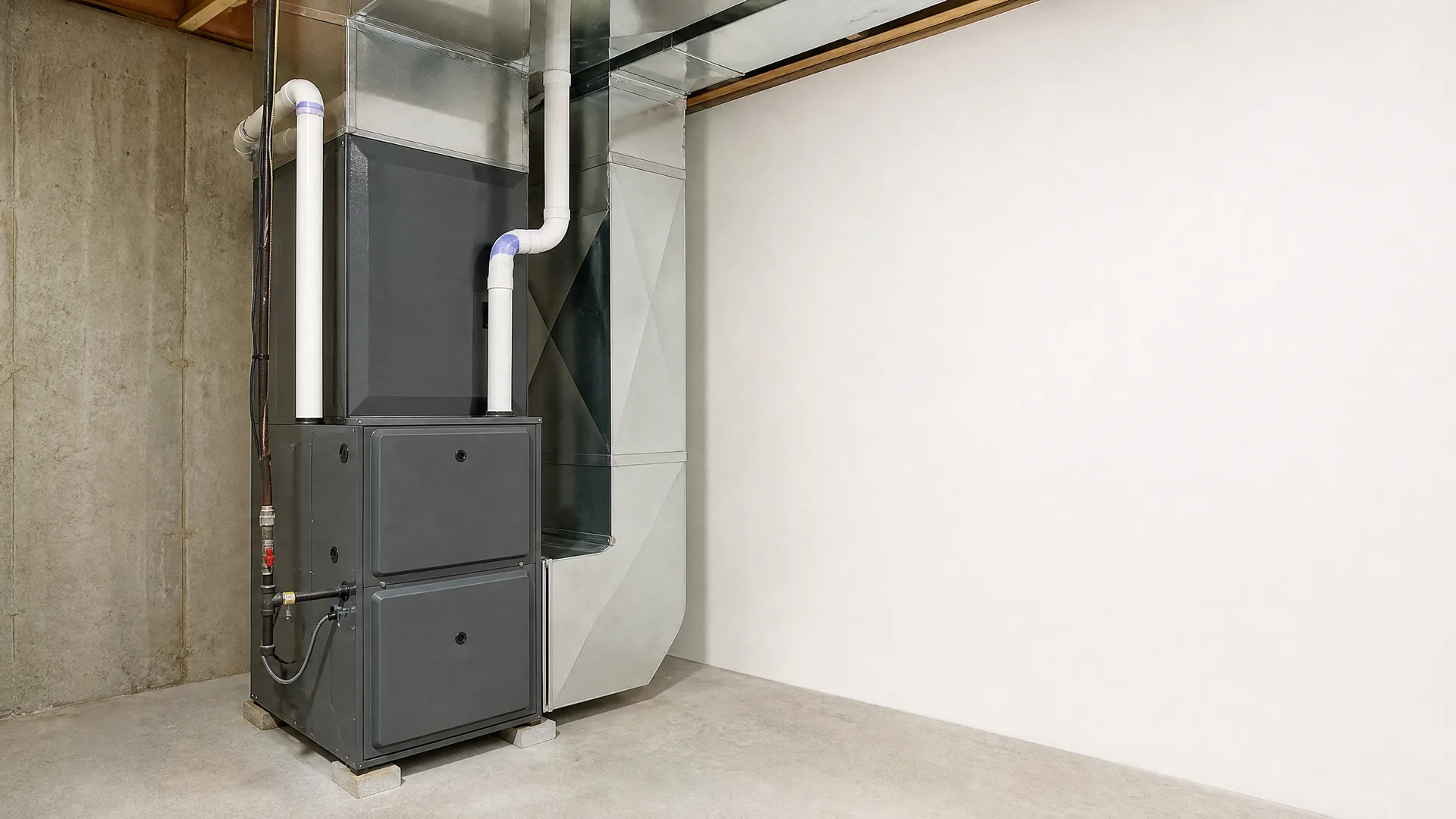
A gray metal furnace with two white PVC vent pipes stands on a concrete floor beside galvanized sheet-metal ductwork in a basement or utility space with wood framing.

Working too hard

A furnace set too high, or one that's gone a winter or two without a look, runs longer and more often than it should. Rust on the cabinet and strain on the burner show up together. By February, you're paying for heat that's leaking out as fast as it's made.

A man in a navy sweater reclines with closed eyes in a beige armchair in a living room, with a lamp, wooden cabinet, bookshelf, potted plant, and a side table holding a newspaper and mug nearby.
A man in a blue henley shirt reclines on a leather chair with his eyes closed, beside a window, a houseplant, a side table with a newspaper and a dark mug.
A man in a gray sweatshirt reclines with his eyes closed in a dark leather chair, with a bookshelf behind him and a side table holding folded newspapers, a mug, and a potted plant by a window.
A man in a blue sweater leans back on a brown leather chair with his eyes closed and a slight smile, in a room with bookshelves, framed pictures, a potted plant by a window, a folded newspaper and a dark mug on a table.

Your thermostat isn't reading the room. It's reading the air right around it, which is why one stuck near a vent or a window that gets afternoon sun can be off by a few degrees without you knowing it. When it finally calls for heat, the igniter lights the burners and the inducer motor clears the exhaust before the blower kicks on, so there's always a short wait before warm air actually shows up at the registers. That lag is normal. What changes with your setpoint is how long the burners stay lit each time they fire. Push the number up and the furnace has to raise the air that much further before it's satisfied, so each cycle runs longer. Turn it down overnight and you're not saving that work, you're just moving it to the morning, when the furnace has to catch the house back up in a shorter stretch. None of this is a problem for a furnace that's sized right for your home. It reaches the setpoint, shuts off, and waits for the next call, without the burners ever running long enough to overheat the heat exchanger.

What happens when you bump the thermostat

  • The thermostat senses air temperature near itself, not the actual room, so a spot near a vent or a sunny window can throw the reading off by several degrees.
  • When the thermostat calls for heat, the igniter glows and lights the burners, then the inducer motor pulls exhaust out through the flue before the blower ever turns on.
  • The blower only starts once the heat exchanger reaches a set temperature, so there's a short lag between the burners firing and warm air reaching the registers.
  • Each degree you push the setpoint up keeps the burners firing longer per cycle, since the furnace has to raise the air that much higher before it shuts off.
  • Dropping the setpoint overnight means the furnace works harder for a short stretch in the morning to catch back up, rather than running longer the whole night through.
  • A furnace that's sized correctly for your house should reach your setpoint and shut off well before the burners have run long enough to overheat the heat exchanger.
A beige high-efficiency furnace stands on a concrete basement floor beside sheet-metal ductwork, with white PVC vent pipes and a gas line running along an insulated wood-framed wall.
A furnace that's kept up fires clean and the flue pipes stay clear, so the heat you set is the heat you get.
An older metal furnace with a louvered front panel stands against a concrete basement wall, connected to sheet-metal ductwork and a flue pipe, with copper and steel pipes running alongside.
Dust on the cabinet and a burner that's gone years without a look can mean a furnace working harder than it should to hit your thermostat's number.

Pick a number too low and you'll know it fast. The far bedroom stays cold while the thermostat reads fine, the furnace runs longer stretches to chase a setting it can't quite hit, and by February the gas bill shows it. Pick one too high and the furnace short-cycles, switching on and off more than it should, which wears on the igniter and the inducer motor faster than steady running does. A house that sits at 68 all day costs more to heat than one set a few degrees back at night, but swing it wide every day and you're asking the furnace to work hardest exactly when it's coldest outside, at six in the morning. Setting it once and leaving it, or stepping it down a modest amount overnight, is easier on the equipment than reaching for the dial every time a room feels off. Montana winters run from November into March some years, long enough that a setting that's slightly wrong adds up across the whole stretch, in wear on the furnace and in what you pay to run it.

A beige gas furnace in a basement with a metal flue pipe, galvanized sheet-metal ductwork to its left, and gas and water pipes along the concrete wall to its right.
Before you get your furnace maintenance
A gray high-efficiency furnace with white PVC vent pipes stands on a concrete pad in a basement, beside sheet-metal ductwork, copper piping and a poured concrete wall with wood framing at left.
After you get your furnace maintenance

Why does one room still feel cold?

You set the thermostat where you want it, but the room at the end of the hall doesn't match it. The air coming out of that vent feels weaker than the others, or it takes the furnace a long stretch to catch up after the door's been shut. Some mornings you notice the burner cycling more than it used to, or the house holds the chill longer before it warms back up. None of that is about the number you picked. It's about whether the furnace can actually deliver that number to every room, and a system that's falling behind on that will keep burning more gas to try, straight through the rest of a Montana winter.

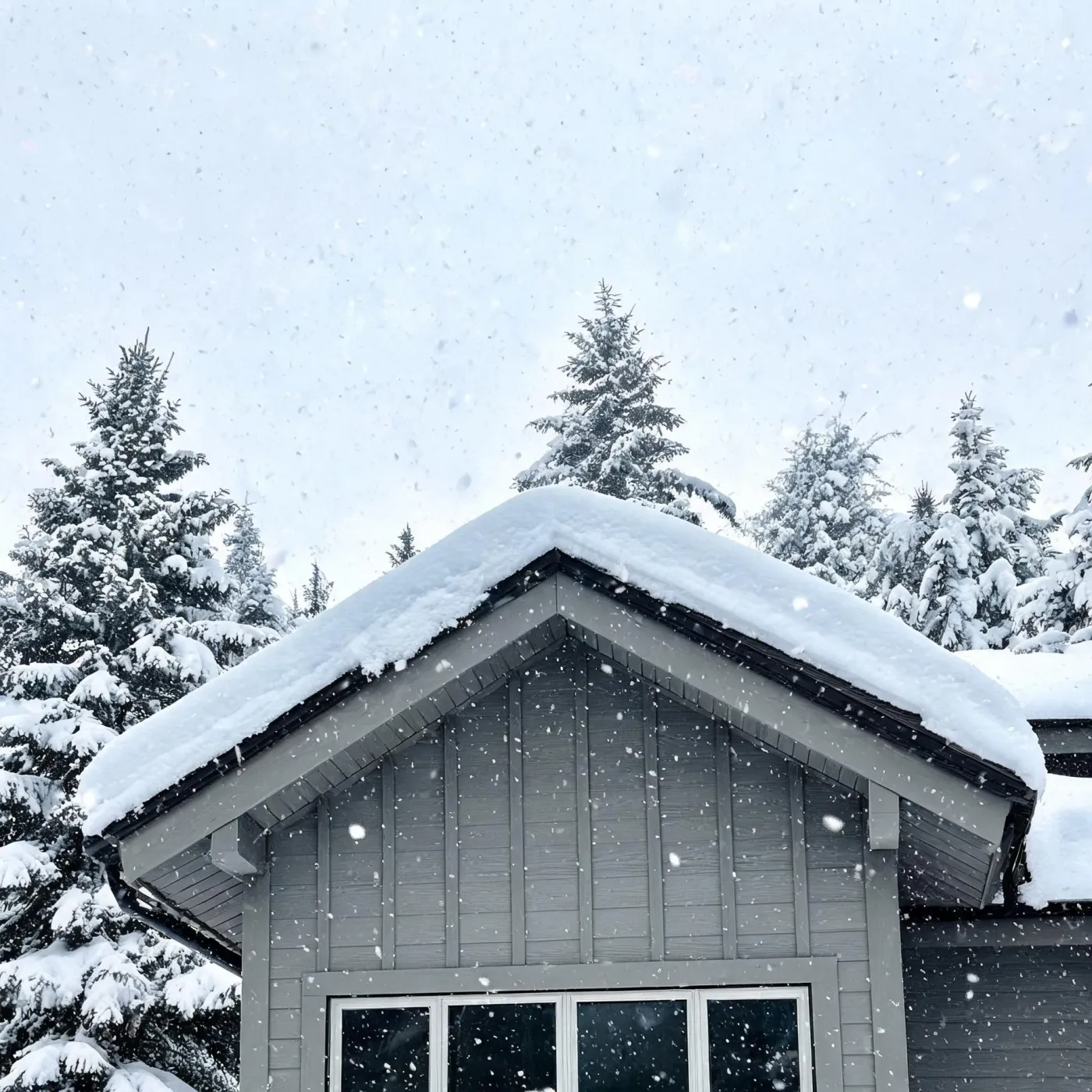
Gable end of a gray board-and-batten house with a thick layer of snow on the roof, surrounded by snow-covered conifer trees during falling snow.

Winter nights average 15°F across Montana, according to NOAA climate data, and that's the stretch your furnace has to work through night after night from November to March. At that temperature the burner runs longer each cycle just to hold your thermostat's setting, and the air coming out of the vents has to fight harder to warm a cold house before it cools again. You'll notice it most overnight, when the furnace is on more than it's off and the house still feels like it's chasing the number you set rather than holding it. A furnace that's been looked at before the cold sets in handles that nightly swing a lot better than one that hasn't.

NOAA nClimDiv 1991-2020 county normals weighted by homes

One request and it's handed off

You've got a number in mind now for the thermostat, and that's the easy part. What actually decides whether that number holds through a Montana winter is the furnace itself, and that's harder to judge from the couch. A furnace that hasn't been looked at in a while can drift out of tune in ways you won't catch until the gas bill does, or until the burner starts short-cycling on a 15°F night. Finding someone to check it usually means a search, a handful of calls, explaining the same thing to each one, then sitting with quotes trying to guess who's worth it. That's the part worth handing off, not the decision about your thermostat. Send the request once and the search ends there, no calling around, no repeating yourself, no comparing strangers. One contractor takes it from here, and you go back to just living with whatever number you picked, through November and the rest of the cold months after it.

A dark gray high-efficiency furnace with white PVC vent pipes stands against a concrete basement wall, connected to sheet-metal ductwork running along the ceiling joists.

How the thermostat number gets used

Every degree you add to the thermostat setting asks the burner to run longer on each cycle, not hotter. A furnace fires at one heat output and holds there until the house catches up, so the difference between 66 and 70 is time, not flame. That's why a setting that feels only a little higher can mean the burner running through more of the night, especially once outside temperatures drop into the teens.

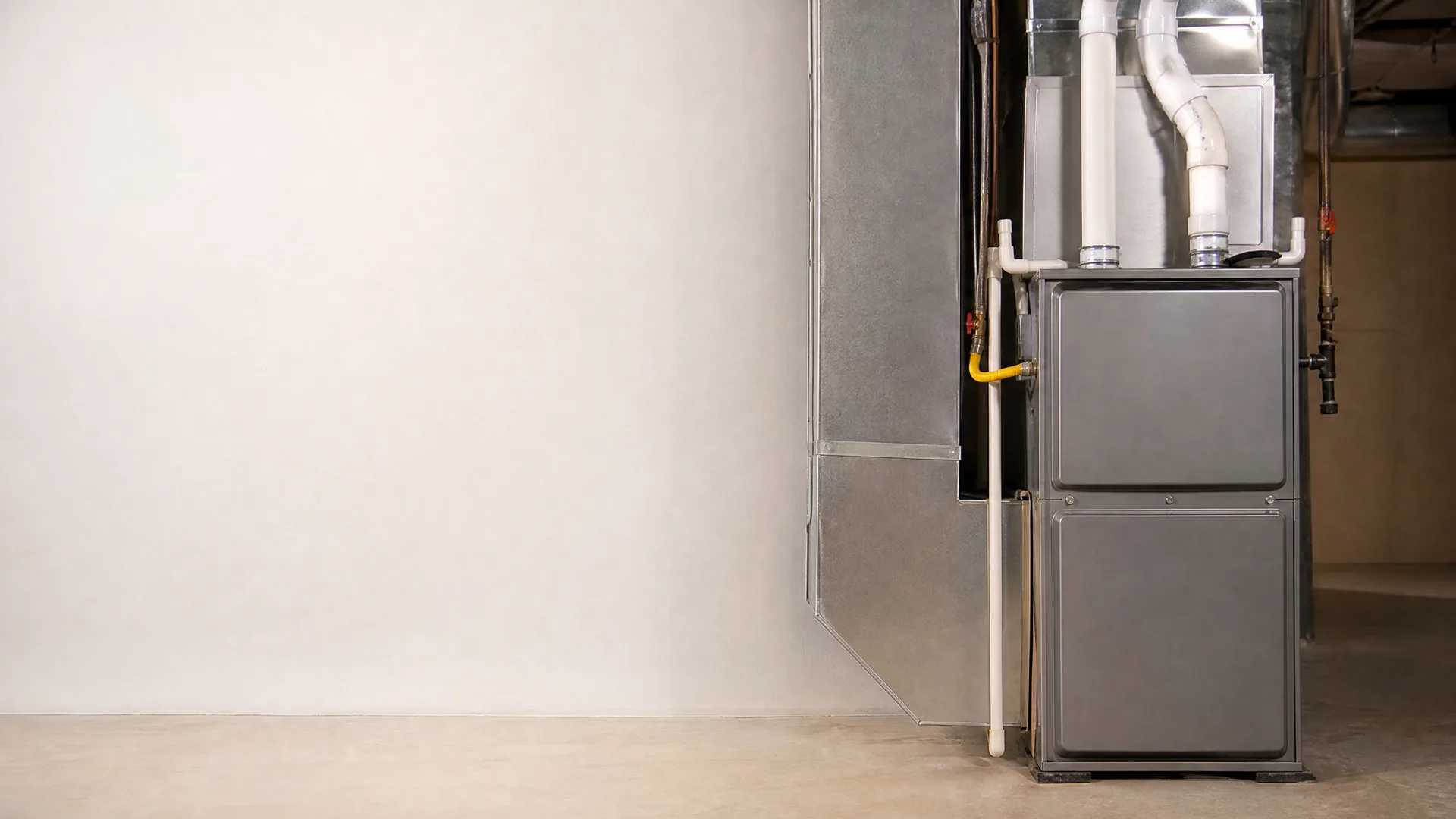
A gray high-efficiency furnace with white PVC vent pipes, a yellow gas line and metal ductwork stands against a plain light wall in a basement with a concrete floor.

What the setback actually saves

Dropping the thermostat a few degrees overnight or while you're out gives the house time to cool before the furnace has to work to hold a number. The recovery period costs some of that back, since the furnace runs longer to bring the house up again than it would have running steady. A programmable thermostat handles the timing so you're not guessing when to switch it.

Winter nights average 15°F statewide

At 15°F, the gap between outside and a 68°F thermostat setting is over 50 degrees, and your furnace has to close it every night from November through March. That's the stretch that wears on an igniter and a blower motor left unchecked.

NOAA nClimDiv 1991-2020 county normals weighted by homes

Setting it and staying home

If you're around most of the day, a steady setting in the normal range works fine and keeps the furnace running the way it's built to. You feel the house hold its temperature instead of drifting, and the burner cycles on and off at a normal pace instead of fighting to catch up. There's no real gas penalty for this, since the furnace spends most of its time holding rather than recovering. This is the simpler path if your schedule allows it, and most homeowners who are home all day land here without thinking much more about it.

Setting it back while you're out

If the house sits empty for work or travel, dropping the thermostat several degrees during those stretches and bringing it back up before you return can ease the load over the full winter. The furnace runs less while nobody's there to notice the drop, then works a longer stretch to recover the temperature. That recovery run uses more gas per hour than steady holding, but the hours saved while you're gone usually come out ahead. It takes a programmable or smart thermostat to do this without you remembering twice a day.

An older man with gray hair and a beard leans back on a beige sofa with his eyes closed, in a sunlit room with potted plants, a wicker chair and large windows behind him.
A woman in a cream knit sweater sits in an armchair with her eyes closed near a window showing yellow autumn foliage, with a mug on a round wooden side table beside her.

Where that leaves you

  • Most Montana homes do well holding the thermostat between 66 and 70 degrees from November through March.
  • A furnace that's been checked over holds that number through a 15 degree night without running longer than it should.
  • Cold spots and long cycles usually point to the furnace, not the number on the thermostat.
  • A maintenance visit catches a cracked heat exchanger, a weak igniter, or a dirty burner before February makes it worse.
  • Skipping a look before winter means guessing whether the furnace can actually hold the number you picked.

You've got the number now. Somewhere between 66 and 70 for most of the winter, held steady rather than pushed up and down, and that's the setting a healthy furnace in Montana is built to carry through a 15 degree night. The thermostat was never the hard part. Whether your furnace can actually hold that number through November to March is the question, and it's not one you can answer by looking at the thermostat. A cracked heat exchanger, a weak igniter, a burner that's gone dirty, any of those will show up as a cold room or a gas bill that climbs past what the number should cost, and by the time you notice it's already been running that way for weeks. A maintenance visit before the cold sets in catches those things while they're still small. The alternative is finding that out in January, then doing the work of finding someone who can come look at it: searching, calling a few places, explaining the same cold-bedroom story more than once, and sorting through quotes while the house sits at whatever temperature the furnace can actually manage. Getting a contractor out ahead of the season means the number you picked is the number you'll live with, not a guess you're hoping holds.

An empty basement with bare concrete walls and floor, exposed wooden joists and pipes overhead, and a dark furnace with sheet-metal ductwork and vent pipes in the right corner.

Done looking for a furnace pro

Fill out one form instead of calling around for a furnace tune-up.

Step 1 of 3: Equipment