
Oversized runs in short bursts
A furnace that's too big heats your home fast, shuts off, then starts again soon after. That on-off cycling wears out parts sooner and leaves rooms uneven.
A local installer who puts in furnaces gets your project.
Match me with a proThere is no single furnace size that fits every Montana home. The right size comes from a load calculation, a room-by-room look at your square footage, your insulation, your windows, and how cold it gets where you live in a hard Montana winter. A furnace sized by square footage alone is often wrong, and wrong in a way that costs you. Too small, and it runs nonstop on the coldest nights and still can't keep up. Too big, and it short cycles, turning on and off in quick bursts that wear out parts faster and leave rooms feeling uneven. Most homes heat with gas here, so getting the size right also means matching the furnace to your home's gas line and duct system, not just the house's footprint. A contractor who does a proper load calculation on your specific home is the only way to get a number you can trust.


A furnace that's too big heats your home fast, shuts off, then starts again soon after. That on-off cycling wears out parts sooner and leaves rooms uneven.
A furnace that's too small can't keep up when it's well below zero outside. It runs for long stretches trying to catch up and still falls short.


An oversized furnace means more than short cycling. The igniter and blower motor see more start-up stress over the years, and that's where a furnace usually fails first. An undersized furnace means the opposite problem but the same result: parts under strain. It runs for hours trying to reach a thermostat setting it can't hold on a cold night, and that long runtime adds up across a Montana winter. Either way, the furnace itself pays for the mismatch before you do, and you find out through repair calls.
Rooms far from the furnace stay colder than the one with the thermostat. Some homes get a furnace that's loud or that seems to run all the time without the house ever quite feeling warm. Gas use climbs even though power here stays cheap, because the furnace is working against its own size rather than against the weather. A correctly sized furnace, chosen from a load calculation for your house, keeps a steady temperature room to room and runs in longer, gentler cycles instead of short bursts or marathon stretches.




Guess at the size and you either pay for heat you don't need or shiver through a January cold snap waiting for the furnace to catch up.
Get a load calculation done at install and the furnace matches your house, so it runs long and steady and keeps every room at the same temperature.
At 15°F, your furnace isn't just taking the chill off, it's working to cover a 50-degree gap to get your house to 65. That's the number a load calculation has to size for, not a mild evening. Size it for a warmer night and it falls behind the first hard freeze.
NOAA nClimDiv 1991-2020 county normals weighted by homes

This furnace sits connected to its ductwork and venting the way it was designed to, matched to the house it heats. It runs long, even cycles and holds every room at the same temperature through a cold Montana night.

An older furnace working against the wrong size wears at its joints and seams before its time. The flue, the gas pipe, the cabinet itself all take the strain when a furnace is undersized and never gets a break.
You might notice the furnace clicking on and off more than it used to, never settling into one long run. Or it runs and runs on the coldest nights and the back bedrooms still feel cold while the living room is fine. Some homes have a short blast of hot air out of the vents, then quiet, then it starts again a few minutes later. Others just can't get past a certain temperature no matter how long the furnace runs. Either pattern points to a size mismatch, and left alone, it means higher bills and parts wearing out before they should.


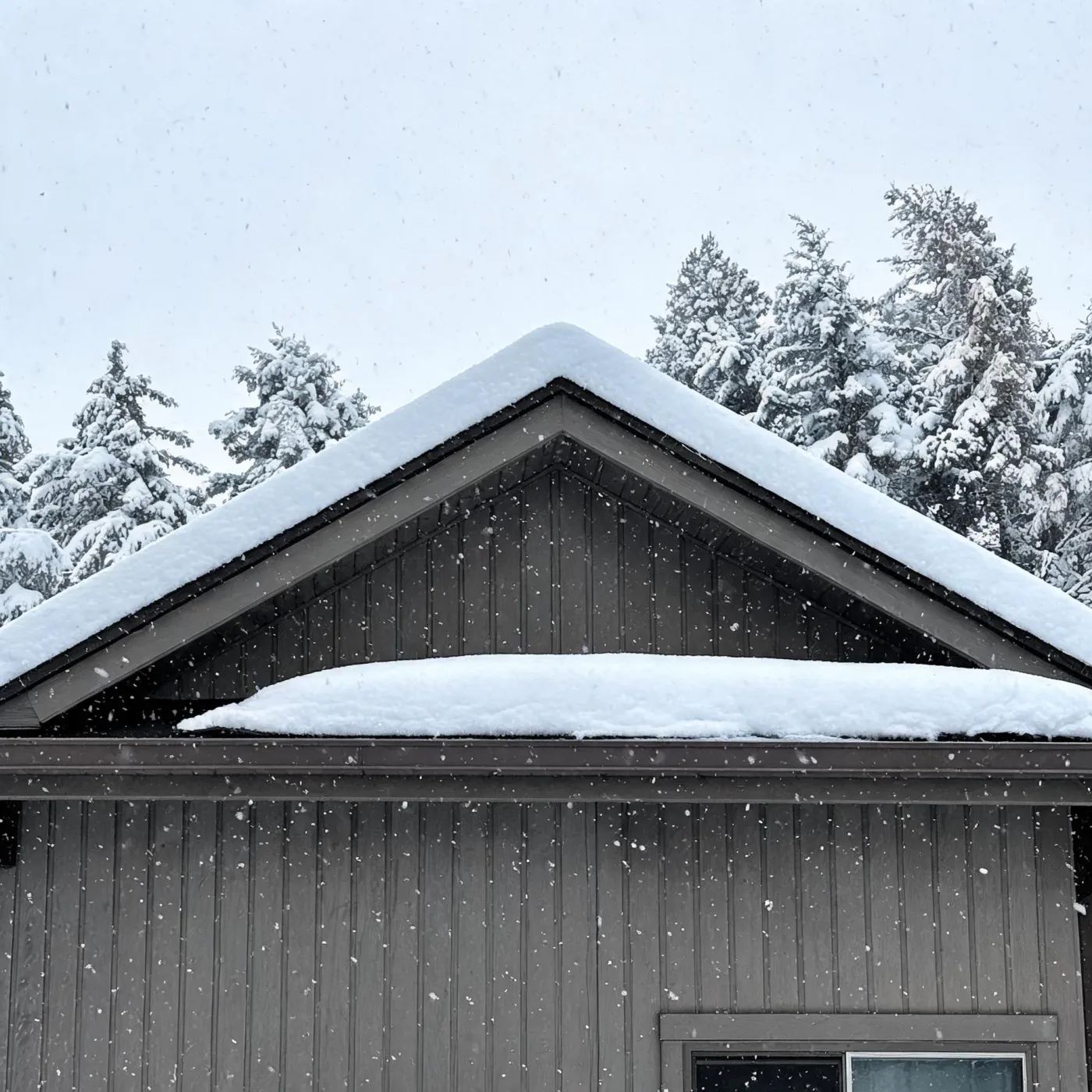
Winter nights across Montana average 15°F, according to NOAA climate data. That's the temperature a furnace has to size for, not the mild afternoons in between. At 15 degrees outside, a furnace sized right for your house runs long and steady to hold 65 indoors. One sized wrong either short-cycles through the night or runs flat out and still loses ground, and you'll feel that as a cold bedroom down the hall or a thermostat that never quite satisfies. Once you send in your details, you're done hunting for someone who can size this correctly. A contractor who works on Montana homes takes it from there and reaches out to go over your house.
NOAA nClimDiv 1991-2020 county normals weighted by homes
You've read what a load calculation does and why a mismatched furnace shows up in your gas bill and your comfort both. Getting that number right at install means a contractor who knows how to run one, not just swap in whatever size the old furnace was. That's the part you can hand off. A contractor familiar with Montana winters knows a 15-degree night isn't the exception to plan around, it's the baseline, and sizes accordingly instead of guessing. You've got enough going on this winter without tracking down someone qualified to do that math correctly. Send the request and let a contractor who does this work take it from here, while you get back to the rest of what's on your plate before that next cold snap rolls through.
A contractor measures every room's square footage and ceiling height.
They check insulation levels in the attic, walls, and floors.
They count windows and doors and note which way they face.
They factor in Montana's design temperature for your area.

This furnace vents through PVC pipe and ties into ductwork sized for the load it was calculated against. The condensate pump at its base clears water as it runs, which is normal for a high-efficiency unit working the way it should. Nothing here is fighting its size.

Stone and block walls like these are common in older mechanical rooms, and the furnace in them was often sized off the one it replaced rather than a fresh calculation. Flex tubing and gas lines crowd the unit, and a furnace working against the wrong size shows the strain here first.

A furnace sized to your house runs long and even and holds every room the same temperature, from the coldest January night down to 15 below zero. That's what a load calculation gets you. Skip it and you're guessing, and a guess either cycles too much or can't keep up when it matters.
You don't have to run that calculation yourself or know how to size a furnace against your square footage and your windows. Once you request a quote, that work goes to a contractor who takes your house's numbers and matches the furnace to them. From there, finding the right person for your install isn't on your plate anymore. The contractor reaches out to you, and you can ask what they found before anything gets installed.


After this form, you can stop searching for a furnace pro.