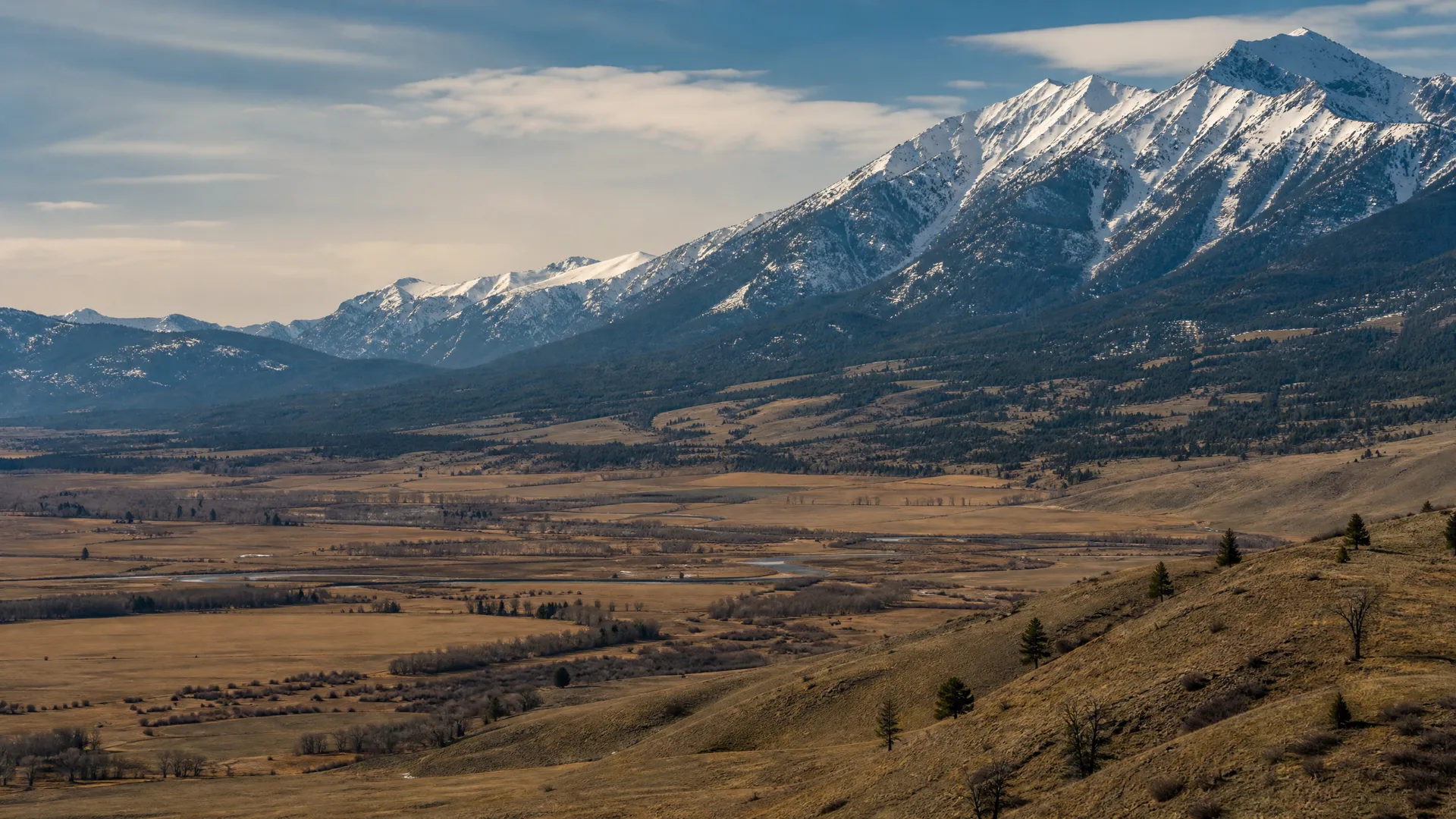
Long winters, long runtimes
Montana winters keep a furnace cycling on for months straight. The more efficient it is at turning gas into heat, the less of that gas goes out the flue unused.

A high-efficiency gas furnace is worth it in Montana, because gas is how most homes here heat and winters put the furnace to work for months at a time. A high-efficiency furnace burns that gas more completely, so less heat goes out the flue instead of into your house. The standard furnace most homes already have is a solid machine, but it's rated around 80 percent efficient, meaning a fifth of the gas you pay for leaves as exhaust. A high-efficiency model, rated 90 percent or better, keeps more of that heat where you want it. Over a winter that runs from fall into spring, that difference shows up on the gas bill every month, not just on the coldest days. It also means a smaller load on the furnace itself, since it's not working to make up for heat lost up the flue. If your furnace is old enough that replacing it is already on your mind, this is the case for choosing high-efficiency when you do.




Montana winters keep a furnace cycling on for months straight. The more efficient it is at turning gas into heat, the less of that gas goes out the flue unused.
Electricity here costs little, so the usual trade-off against electric heat looks different. A contractor can walk through what a high-efficiency furnace means for your house specifically.

This one is doing its job. Clean connections, a solid flue run, ductwork that's sound overhead. A furnace in this shape is holding its efficiency rating, burning gas the way it was built to and keeping the gas bill where it should be through a long Montana winter.

Rust on the cabinet and aging flex gas piping are signs this unit has put in years of work. An older furnace like this often runs well below the efficiency it had new, meaning more gas burned for the same heat and a harder case for stretching its life another winter.


A standard furnace sends exhaust out hot, through a metal flue, because it still has heat left in it that would condense and rot a plastic pipe. A high-efficiency furnace doesn't let that heat go to waste. It runs the exhaust through a second heat exchanger first, pulling out more of the heat before the gas leaves the house. By the time it exits, the exhaust is cool enough to vent through PVC, and that's why you'll see white pipe instead of metal coming off these furnaces. Cooling it that far also turns some of the exhaust to water, so the furnace needs somewhere for that water to go, usually a drain line and a condensate pump. None of this happens with a chimney draft pulling it along, so an inducer motor pushes the exhaust through both heat exchangers and out the pipe. The blower on most of these furnaces also runs variable-speed, holding a steadier temperature through a cold night instead of cycling hard on and off. More parts doing more work means more that can eventually need service.


Gas burns in the primary heat exchanger first.
Hot combustion gas passes into a second heat exchanger.
That second exchanger pulls more heat out before venting.
Cooled exhaust and condensate drain out through PVC pipe.



After you send the request, you're done searching.
Get in touch with a local installer about a new furnace.
Asking costs nothing, and the choice to hire stays yours.

You already know the furnace runs for months straight once the cold sets in. What that means in dollars is what's leaving the house every time it fires up. An older furnace sending 20 cents of every gas dollar out the flue is a cost that repeats every cycle, all winter, in a house that runs its furnace more than most. A high-efficiency furnace keeps more of that gas as heat in the rooms where your family actually is.
If you're not sure which one you have, a contractor who comes out can tell you in minutes, by looking at the flue and the furnace itself. That's a smaller ask than deciding on your own whether the upgrade makes sense for your house. Send the details once and let someone who does this for a living tell you what your specific setup needs and what it would take to change it.

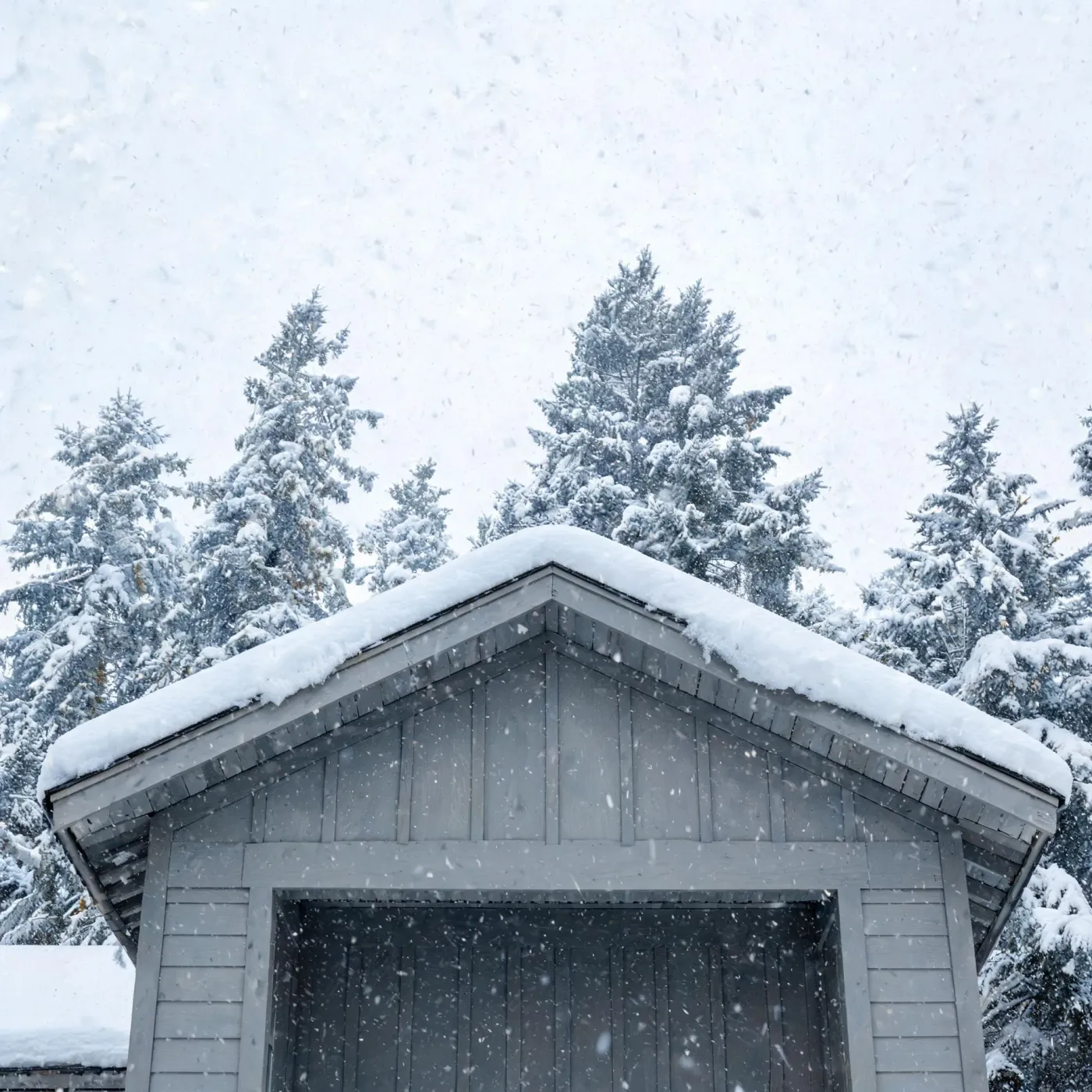
Winter nights in Montana average 15°F statewide, according to NOAA. That's the kind of cold that doesn't let a furnace coast. At that temperature the furnace is firing often, sometimes most of the night, just to hold the house steady. A furnace that burns gas more completely gets more heat out of each cycle, so the house warms up and stays warm without the burner kicking back on as fast. You'd notice it as fewer cold spots by morning and a furnace that doesn't sound like it's working nonstop to keep up.
NOAA nClimDiv 1991-2020 county normals weighted by homes
Check the gas bill before you check the thermostat. If it climbs every winter without the house feeling any warmer, the furnace is likely losing heat out the flue instead of into the rooms. Stand near a vent while it's running. Air that feels lukewarm instead of warm means the furnace is working harder to deliver less. Look at the flue pipe too. If it's warm to the touch while the furnace runs, that's heat leaving the house unused. None of this is an emergency. It just means the furnace is costing more to keep the house at the same temperature, every month that it's cold enough to run.

This furnace sits on a solid base with the flue, the gas line and the ductwork all run clean. PVC pipe instead of metal means the exhaust is cool enough that it doesn't need a metal flue at all. That's the second heat exchanger at work, pulling more heat out before anything leaves the house.

This one hasn't been set yet. Still on the pallet, ductwork waiting above, condensate pipe run but not connected. Every winter you wait on a swap like this is another winter the old unit keeps sending part of your gas bill out the flue instead of into the house.
At 15°F, your furnace isn't cycling on and off, it's running long stretches just to hold the house steady. Months of that adds up fast in gas burned, which is exactly where a second heat exchanger earns its keep.
NOAA nClimDiv 1991-2020 county normals weighted by homes
A high-efficiency furnace earns its keep in Montana. Winters here run long and cold enough that the furnace is working most nights, not just a few, and the second heat exchanger is what decides how much of that gas turns into heat in the rooms instead of exhaust out the flue. Cheap electricity doesn't touch that math. The savings sit on the gas side, in how completely the furnace burns what it pulls in, and that's true whatever the power rate happens to be. If the gas bill keeps climbing each winter and the house never feels any warmer for it, that's the sign worth paying attention to. It usually means heat is leaving through the flue rather than reaching the vents. Whether switching makes sense for your house comes down to things only someone standing in front of your furnace can see: how it vents now, what shape the flue is in, whether the ductwork overhead can hold up its end. That's a short conversation with a contractor, not a long one. Once you send the form, that conversation is the only thing left on your list. Finding someone to look at it, scheduling it, chasing it down, none of that is yours to carry anymore. You've done the part that mattered, which was asking the right question. The rest is a phone call away from someone who does this for a living.
No fee to send it, and nothing to sign.
A furnace running most of the night at 15°F all winter is either holding that gas bill down or losing a fifth of it out the flue. Getting matched costs you nothing to find out which one yours is doing.