15 to 20 years
That is the span a gas furnace in Montana usually covers before the heat exchanger or blower motor wears past the point of fixing.

A gas furnace in Montana lasts around 15 to 20 years. Winters here put real hours on a furnace, running long stretches through the cold months, and that steady use is what wears down the parts that matter most: the heat exchanger, the igniter, the blower motor. Most furnaces don't fail all at once. Heat exchangers crack, igniters stop lighting reliably, and the furnace starts short cycling or struggling to keep rooms warm before it quits for good. If your furnace came with the house and you're not sure how old it is, check the age on the nameplate inside the cabinet. A furnace past 15 years can still run, but it's also past the point where a major repair is worth paying for instead of replacing it. Getting ahead of that decision, rather than waiting for a cold morning with no heat, is what gives you options instead of an emergency.




That is the span a gas furnace in Montana usually covers before the heat exchanger or blower motor wears past the point of fixing.
A furnace past 20 years is working harder each winter to hold the same heat, and an aging heat exchanger is a safety concern worth having checked.
Winters in Montana ask a lot of a furnace, and after a few years of that you start to wonder what's actually breaking down inside it, not just when you'll need a new one. It helps to know what part of the furnace gives out first and why, so you can tell whether a strange noise or a weak flame is just a tune-up or the start of something bigger.
Every time the furnace fires, the heat exchanger goes through a cycle of heating up and cooling down. Over thousands of cycles that metal expands and contracts until it cracks. That crack is usually what ends a furnace's life, since a cracked heat exchanger lets exhaust mix with the air the blower pushes through the house, and it isn't something worth repairing. The igniter and the flame sensor wear faster, since they sit right in the flame path, but those get replaced along the way. The blower motor runs for hours on end through a Montana winter, and its bearings are the other part that gives out with age. Long cold stretches mean more cycles, more hours, and more wear on all of it each season.

You're up before the sun, like always this time of year, and the kitchen is still cold enough to see your breath near the window. The space heater is pulled close to the table, its coil glowing orange, humming the way it's hummed every morning this week. The basement door stands open behind it. You've been meaning to go down and check the furnace since it started taking longer to kick on, but the stairs are cold too, and the coffee's not done yet. Montana mornings like this one don't forgive a furnace that's falling behind. You sit, hands around the mug, and listen for it to finally catch.


Cold air pulls in through the return duct and filter.
The igniter glows hot, then the burners light.
Heat exchanger warms as the blower pushes air across it.
Warmed air travels out through the supply ducts.


One request ends the search for a furnace installer.
A local pro who knows furnaces gets your details and gets in touch.
No fee to send it, and nothing to sign.
A furnace winding down doesn't quit all at once. You'll hear it kick on more often, running shorter bursts through the night instead of the long steady runs it used to manage. Some rooms stay colder than others no matter where the thermostat's set. The burners might show yellow instead of a clean blue, or you'll catch a metallic smell when it first fires up. Rust around the base, a flue pipe with more gaps than it should have, a blower that rattles before it settles into its hum. None of that means it's finished, but a cracked heat exchanger can leak exhaust into the house, and that's not something to wait out through another Montana winter.

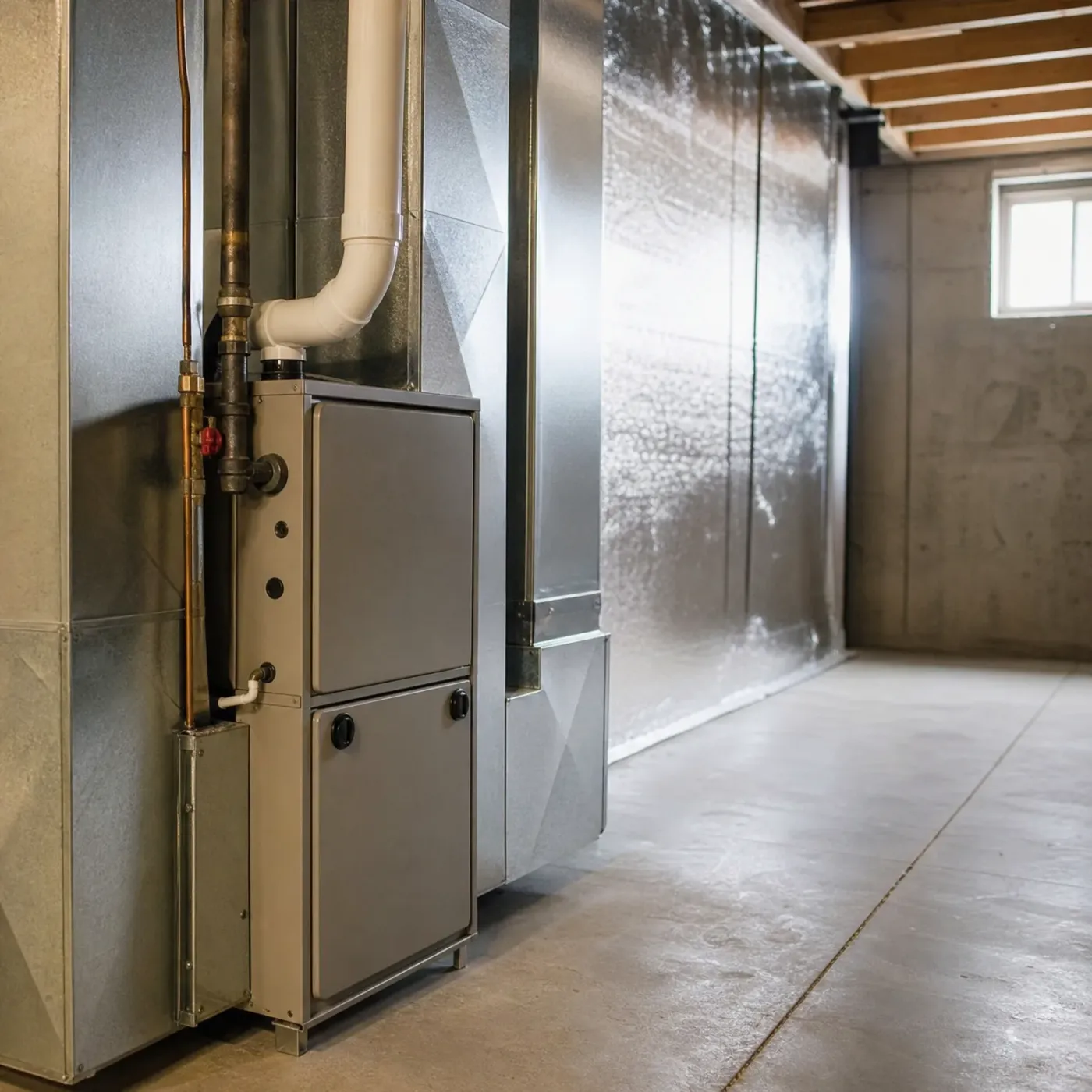
A furnace like this ties into the ductwork clean and runs on a sealed flue, venting straight out through PVC pipe. The gas line feeds it steady, and the cabinet still matches the framing around it. Nothing here is fighting to keep up.

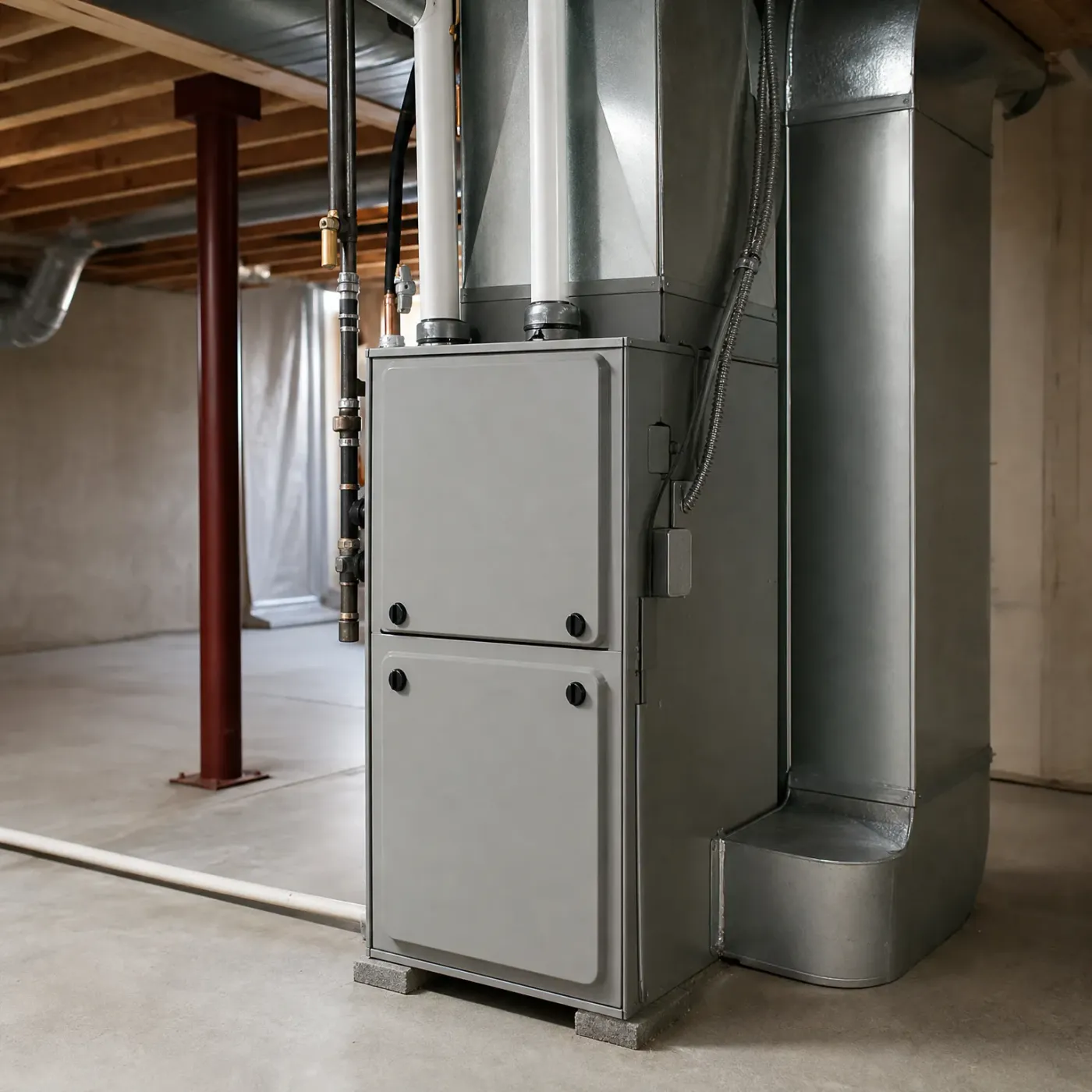
Set on a pallet off the concrete, this one shows its age in how it was kept, not just how long it's run. Galvanized duct and condensate lines that have seen better winters surround it. A furnace at this stage is working harder for the same heat.
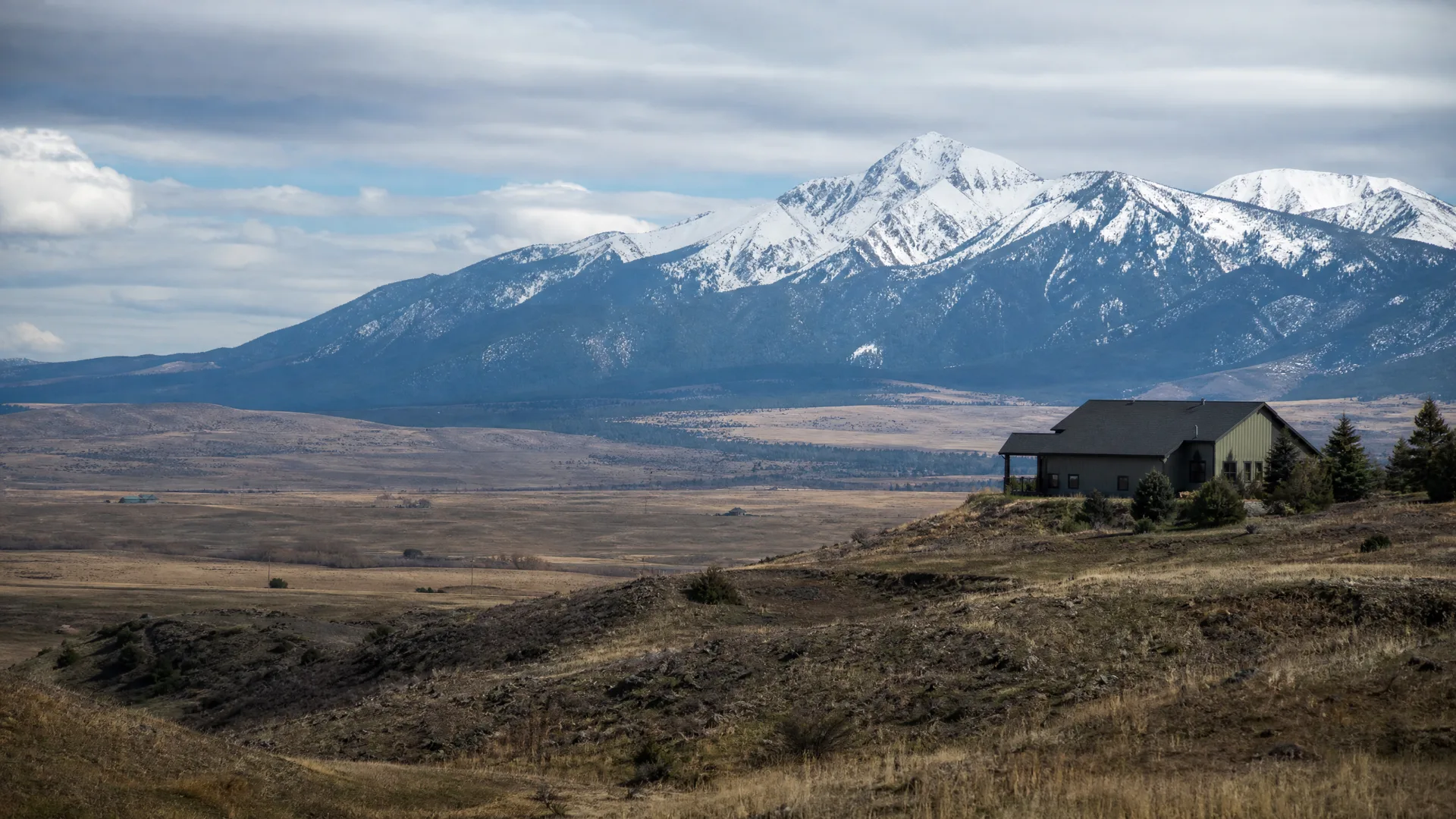
15°F is the average overnight low here through December, January and February, and that's what your furnace is up against most nights. It has to run long enough to recover that heat before morning, cycle after cycle, all winter.
NOAA nClimDiv 1991-2020 county normals weighted by homes
Fifteen to twenty years is what a gas furnace gives you in Montana, and the winters here see to it that every one of those years gets used. The cold doesn't let a furnace coast. It runs long and it runs often, and that's what eventually catches up with the heat exchanger and the blower motor, the two parts that decide when a furnace is actually done rather than just old. Short cycling, rooms that won't hold heat, a gas bill creeping up for no clear reason: these aren't small annoyances to put up with. They're the furnace telling you where it stands. Past 20 years, it's not failing outright, but it's leaning on parts that were sized and built for a shorter working life than the one you're asking of them, and every winter after that is asking more of less.
None of that means you have to sort out the rest of it yourself. Once you send the form, the work of finding a contractor who installs furnaces in your area stops being something you have to manage. You're not left holding a list of names and hoping one calls back. That part moves off your plate, and what's left is just waiting to hear from someone who already knows the job. For a homeowner who's kept the house running right this long, that's the part worth knowing. The furnace has a number on it. What happens next doesn't have to be yours to carry alone.