Tell us about the job
Takes about a minute. No obligation.
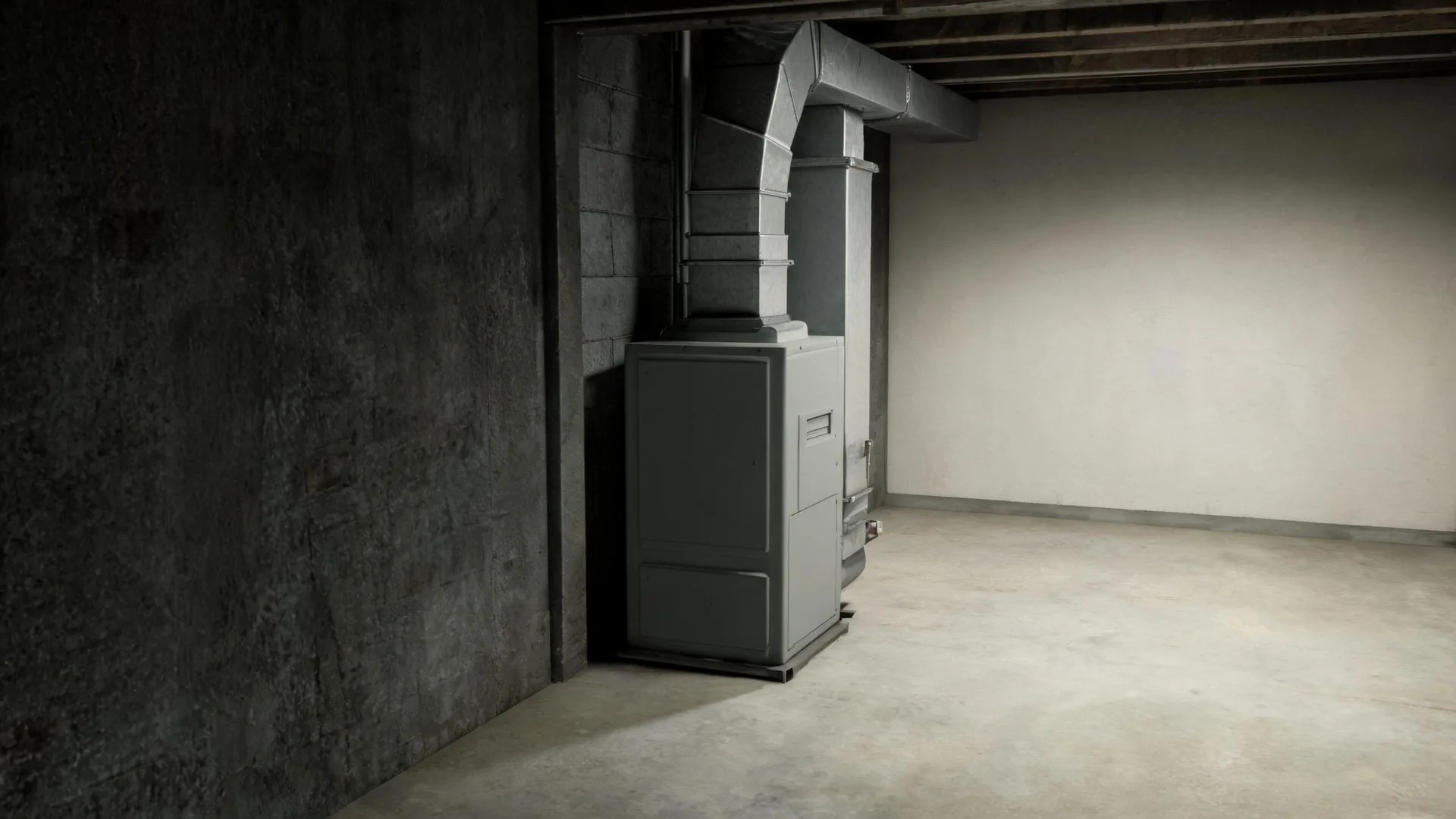
The burner, heat exchanger, and ignition system in a Garfield County furnace cycle hard through a long stretch of the calendar and then sit idle through summer. Homes in Garfield County, MT run heat about nine months a year, from September through May. That idle period is not a rest in any useful sense: seals dry, igniters that were already borderline crack, and a heat exchanger that developed a hairline fracture in May goes unnoticed until the first cold morning. A contractor called out for a furnace repair here opens the cabinet expecting wear on those cycling components first, because that is where the load has been going.
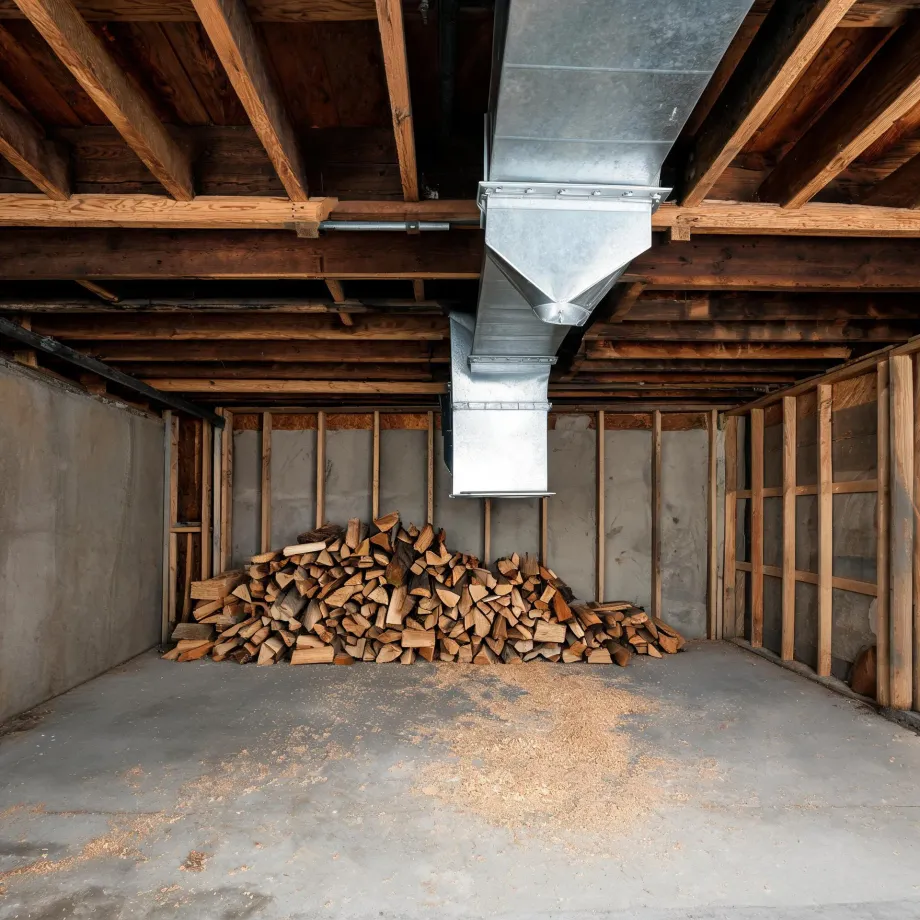
Half the homes in Garfield County, Montana were built in 1978 or earlier (2020-2024 ACS 5-year). Furnaces running in houses that old were sized and installed to match equipment lines that have since been discontinued, revised, or replaced wholesale. When a contractor opens a unit here, the question that shapes the repair bill is whether the components it needs are still manufactured or have to be sourced as old stock. If they can be found, the job proceeds. If they cannot, the scope changes entirely and the homeowner is deciding something larger than a repair.
The Parts of a Furnace a Contractor Checks First
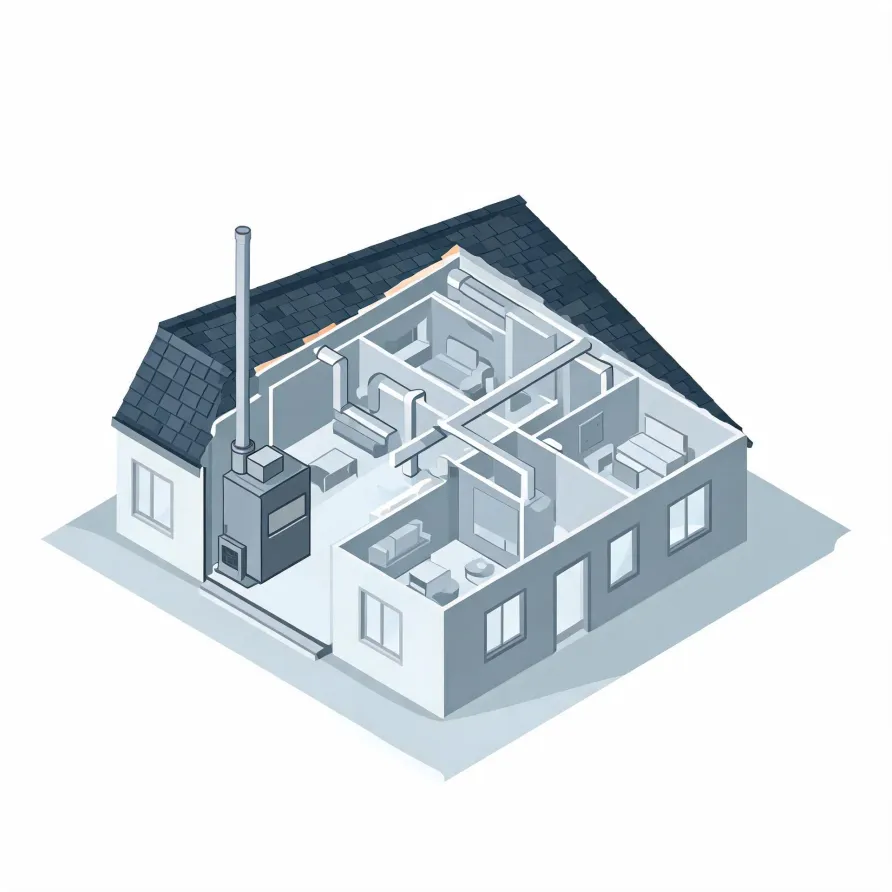
The heat exchanger sits inside the furnace cabinet in the mechanical room or utility closet, and it is the piece that warms the air your home circulates. When it cracks or corrodes, combustion gases can enter the living space, so a contractor looks at it closely. The burner assembly sits just below it and is where the fuel actually ignites.
The blower motor sits at the base of the cabinet and pushes conditioned air into the supply plenum. The inducer motor, the flame sensor, the igniter, and the control board all sit within or directly on the cabinet, and each one is a point a contractor traces when the furnace runs poorly, short-cycles, or fails to start.
The drawing shows the general layout of a furnace system, and a licensed contractor determines which components apply to your specific installation.
Find a contractor in Garfield CountyGarfield County, by the numbers
189 severe weather events were recorded in Garfield County, Montana between 2015 and 2024.
NOAA National Centers for Environmental Information, Storm Events Database, bulk CSV export, events 2015-01-01 through 2024-12-31.Half the homes in Garfield County, Montana were built in 1978 or earlier (2020-2024 ACS 5-year).
U.S. Census Bureau, 2020-2024 American Community Survey 5-Year EstimatesGarfield County, Montana holds 730 housing units (2020-2024 ACS 5-year).
U.S. Census Bureau, 2020-2024 American Community Survey 5-Year EstimatesOwners occupy 72.2% of the occupied homes in Garfield County, Montana (2020-2024 ACS 5-year).
U.S. Census Bureau, 2020-2024 American Community Survey 5-Year EstimatesCodes & Standards for Furnace Repair in Garfield County, Montana6 sourced rules & standards
What the repair visit looks like
Non-weatherized gas furnaces manufactured on or after November 19, 2015 must reach 80.0 percent AFUE.
Non-weatherized oil-fired furnaces manufactured on or after November 19, 2015 must reach 83.0 percent AFUE.
Mobile home gas furnaces manufactured on or after November 19, 2015 must reach 80.0 percent AFUE.
Non-weatherized gas furnaces manufactured on or after December 18, 2028 must reach 95.0 percent AFUE, up from the 80.0 percent minimum that applies to units manufactured before that date.
Licensing and Legal Requirements in Garfield County, Montana
Montana’s contractor licence does not reach a casual, minor or inconsequential job whose total price for labour, materials and everything else is less than $2,500 — and the exemption is lost if the work is only part of a larger operation, or if a job is divided up to get under the figure.
Montana requires a current construction contractor licence from the Department of Labor and Industry: an individual or business may not engage in business as a construction contractor without one.
Severe Weather Events in Garfield County
Hard weather puts hours on a furnace fast, running it longer and harder than mild seasons ever would. How much of that load your equipment carries is a local question, and the answer shapes what repair work looks like here.
189 severe weather events, 2015–2024. Source: NOAA National Centers for Environmental Information, Storm Events Database.