Montana's Furnaces

Furnace pilot light keeps going out in Montana

Step 1 of 3: Equipment

A pilot light that won't stay lit is usually a thermocouple going bad. That's the small metal rod that sits in the flame and tells the gas valve the pilot is actually burning. Once it wears out, it stops sending a strong enough signal, and the valve shuts off the gas as a safety measure, even though the flame looks fine to you. Dirt or soot on the pilot opening can cause the same thing by making the flame too small or the wrong shape to heat the thermocouple properly. Sometimes it's a draft from a vent or a cracked flue finding its way to the pilot and snuffing it out. In a Montana winter, a furnace that won't hold its pilot isn't a small thing to put off. A thermocouple is a cheap, quick fix for someone who works on gas furnaces regularly. A furnace that keeps shutting its own gas off is doing exactly what it's supposed to do, and it needs a licensed hand to find out why.

A gray high-efficiency furnace stands on a concrete basement floor beside sheet-metal ductwork, with white PVC vent pipes and a black flexible line running up to exposed wood floor joists, next to a wood-framed post against a concrete wall.

Pilot stays lit

When the thermocouple is reading right, the pilot burns steady and the valve stays open. You'll notice the flame holds through drafts in the basement and through the furnace cycling on and off. No relighting, no clicking valve, just heat when you want it.

A beige metal furnace with a louvered front panel stands on a concrete floor against a concrete wall, connected to galvanized sheet-metal ductwork and a metal pipe.

Pilot won't stay lit

A worn thermocouple loses contact with the flame or stops sending a strong signal, so the valve reads it as out even when it isn't. The pilot goes dark, sometimes right after you relight it. On an older furnace like this one, the rod itself may be bent or coated with soot from years of use.

A man with grey hair and stubble in a dark sweater sits on a grey sofa indoors, looking off to the side, with a potted plant and a sunlit window behind him.
A man with gray hair, a beard and glasses, wearing a dark green sweater, sits on a gray sofa in a sunlit living room with a potted plant, table lamp and wooden sideboard behind him.
A middle-aged man with graying hair and a short beard sits on a blue sofa in a living room, looking toward a window, with a bookshelf, lamp and framed picture in the background.
A man with graying curly hair and a dark green sweater sits on a gray sofa in a sunlit living room, looking off to the side, with a framed picture, shelving, an armchair and a window with sheer curtains behind him.

Why pilots fail more in winter

A thermocouple that's on its way out usually holds on fine in September and starts failing once the furnace is running hard, which in Montana means a long stretch from fall through spring. The rod heats and cools every time the burner cycles, and that constant expansion and contraction is what wears it out. More cycles means more wear, so a marginal thermocouple that seemed fine in mild weather often can't keep up once the furnace is firing several times an hour on a cold night. That's why this tends to show up as a winter problem even though the part itself has been weakening for a while.

Checking the flame itself

Look at where the pilot flame sits on the thermocouple. It should wrap around the tip, about half an inch of coverage, with a steady blue cone. A flame that's too small, yellow, or leaning away from the rod won't heat it enough to hold the valve open, even with a good thermocouple. Sometimes that's a sign the thermocouple needs replacing, and sometimes it's the pilot orifice partly clogged with dust or rust. A contractor working on furnaces all winter in Montana will check both before swapping the part, since replacing the thermocouple alone won't fix a flame that's aimed wrong.

An older beige furnace with louvered front panels stands on a concrete basement floor beside galvanized ductwork, metal and plastic pipes, exposed wood framing, and a cylindrical water heater at right.
Before you get your furnace repair
A gray high-efficiency furnace in a basement with PVC vent pipes, sheet-metal ductwork, copper and insulated pipes, a water heater at left, and an unfinished wood-stud wall at right.
After you get your furnace repair

No pilot, no heat

If the pilot won't hold, the furnace can't fire at all. On a cold Montana night that means space heaters or waiting it out until someone can get the thermocouple replaced.

Get a licensed local pro

One trip, one part

A thermocouple is a single small part a local furnace tech swaps out and tests before leaving. No guessing, no second visit for the same pilot going out again.

Get a licensed local pro

Why do you keep having to relight the pilot

You turn the thermostat up and nothing happens, or the flame catches for a few seconds and dies. Maybe you've gone down to the basement three or four times this week to hold the gas button and relight it by hand. You might notice the smell of gas for a moment when it goes out, or hear the valve click without any flame following. Some nights the furnace runs fine until it cycles off and on, and that's when it quits. Left alone, a pilot that won't hold means the furnace won't fire when you need it, and on a cold Montana night that's not something to wait out.

  1. Gas flows to the pilot burner and you hold the gas control knob in

  2. The pilot flame heats the thermocouple tip sitting inside it

  3. The thermocouple generates a small voltage from that heat

  4. That voltage holds the gas valve's electromagnet open

A gray high-efficiency furnace with white PVC venting pipes stands on blocks in a basement next to sheet-metal ductwork, with exposed wood framing on the left and a concrete wall and floor.
A furnace like this one holds its flame through a Montana night without you touching the gas valve once.
An older gas furnace with two white PVC vent pipes stands on a concrete basement floor beside galvanized sheet-metal ductwork, flexible conduit, and piping along a wall.
This older furnace has the same job to do but a tired thermocouple leaves it cold until someone replaces the part.

Winter nights average 15°F statewide

In the deep of winter here, overnight temperatures average around 15°F statewide. That's a long, cold stretch for your furnace to run through, and a weak thermocouple that might limp along in milder weather won't hold up to it. When it fails, it tends to fail on one of those nights.

NOAA nClimDiv 1991-2020 county normals weighted by homes

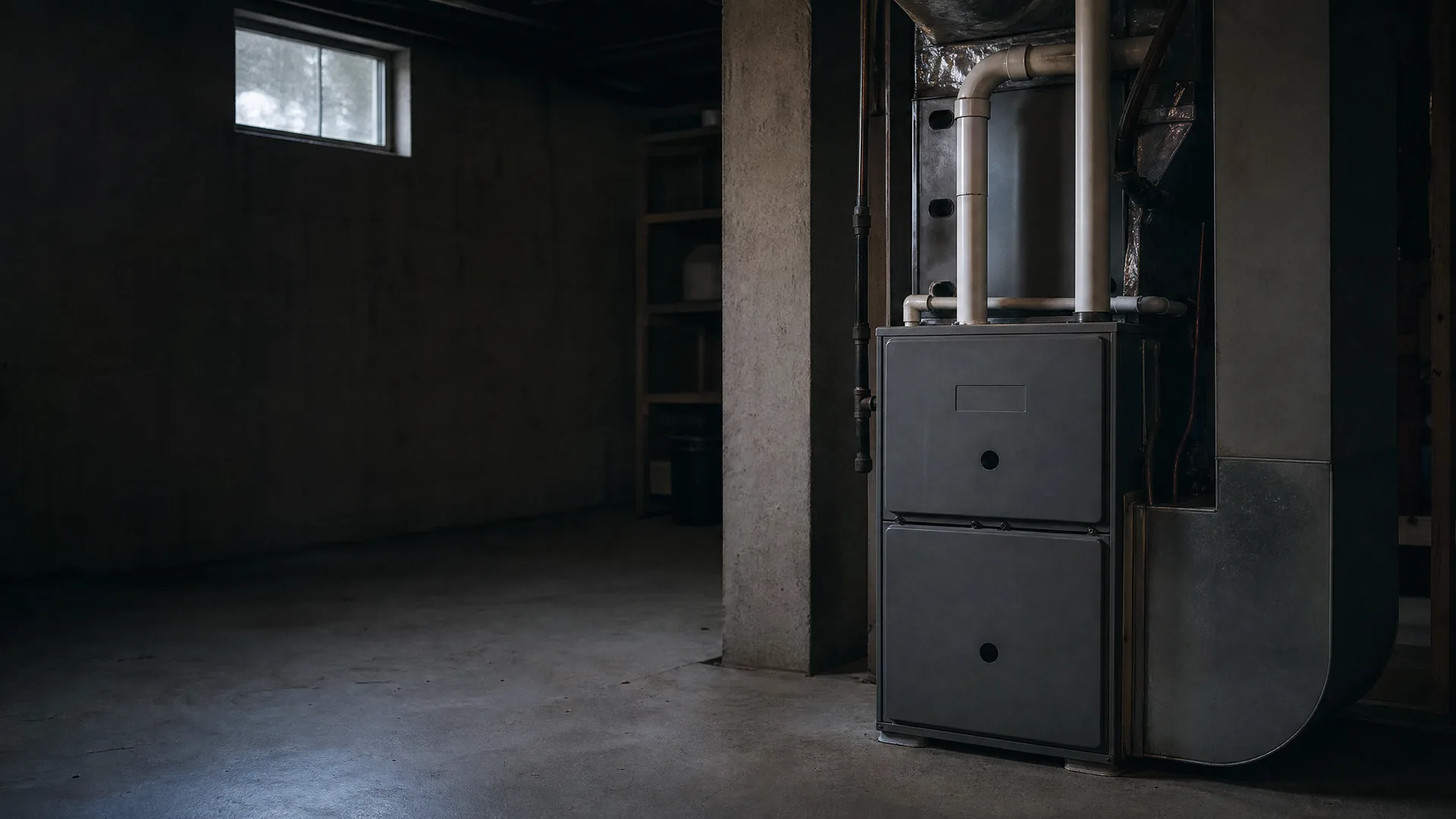
A gray high-efficiency furnace with white PVC vent pipes and attached ductwork stands beside a concrete support column in a dim, empty basement with bare concrete walls and floor and a small window.

The basement is dark except for the glow off the furnace's metal casing, and that's going cold too. It's a little past six, November, and you came down because the house stopped ticking the way it does when the burner's running. The pilot's out again, third time this week. Dust hangs in the air where you brushed past the ductwork reaching for the access panel. You crouch down, find the gas knob by feel more than sight, and hold it in for the relight. Outside it's already below freezing. Somewhere in this county there's a tech who's replaced this exact thermocouple in this exact model more times than he can count, and he's the one your call is going to.

Hand off the search today

Your request goes to one pro, not a list of companies.

You only hire the pro if you want to.

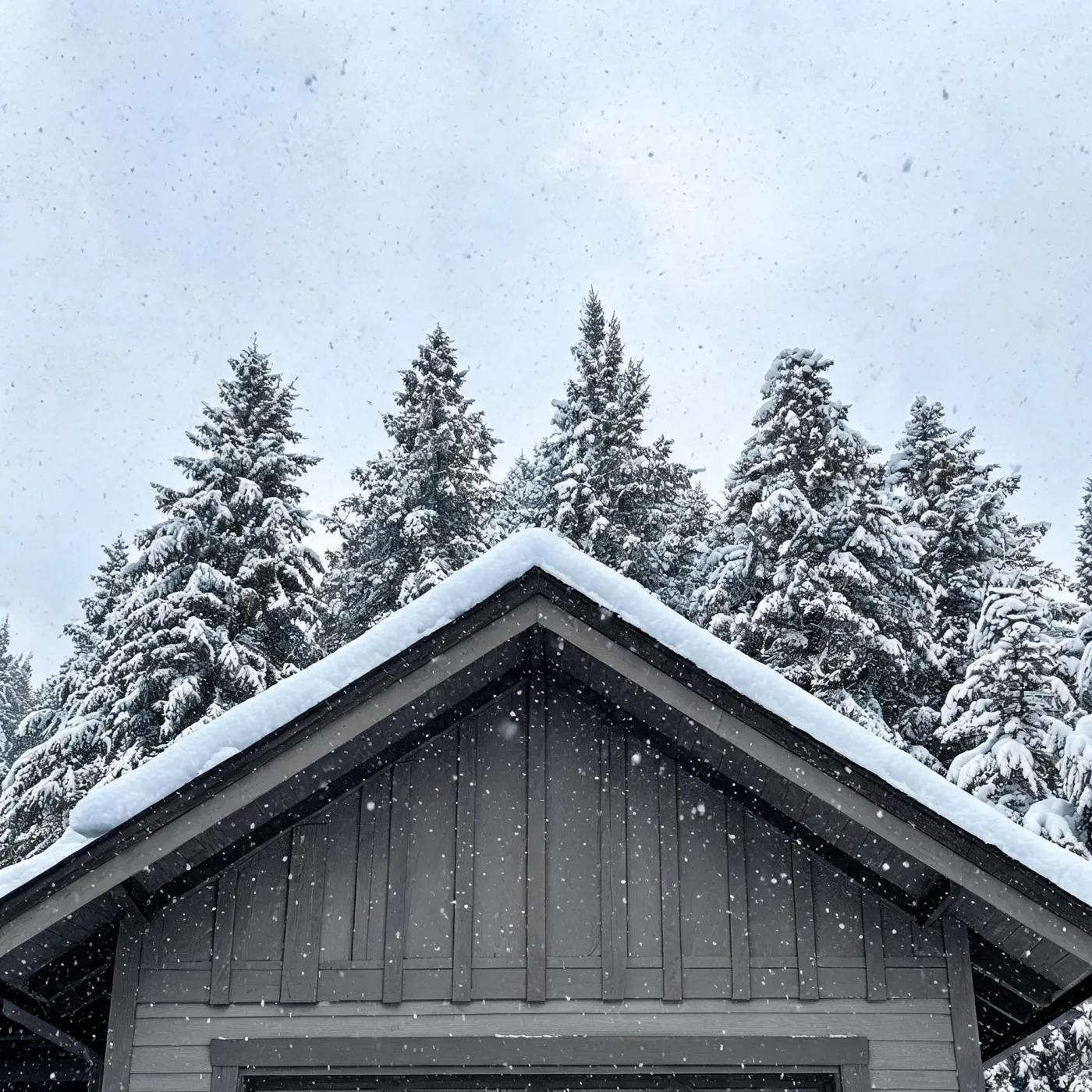
Snow-covered gable roof and gray vertical board siding of a building, with snow-laden conifers and falling snowflakes against an overcast sky.

Winter nights statewide average 15°F, per NOAA. That's not a cold snap, that's the baseline for months on end. A thermocouple already struggling to hold a signal has to do it through a long, hard stretch of nights like that, not just a bad evening here and there. At that temperature your furnace is cycling on almost constantly to keep up, and every cycle is another chance for a weak thermocouple to lose its grip on the gas valve. That's when you'll find yourself back in the basement with the gas knob held in, trying to coax the pilot to catch and stay.

NOAA nClimDiv 1991-2020 county normals weighted by homes

Replacing The Thermocouple Yourself Or Calling A Tech

Fixing it yourself

  • A thermocouple runs a few dollars at a hardware store and looks like a simple swap from the outside.
  • Getting the old one out means working inside the pilot assembly, usually with the gas supply and burner compartment open.
  • If it's seated wrong or the flame isn't adjusted right afterward, the pilot can look lit but still fail to hold the valve open.
  • Furnaces vary in how the pilot assembly comes apart, and some older Montana units have brackets or housings that aren't obvious until you're in there.
  • A gas connection that isn't sealed right is a problem you won't notice until it's already a problem.

Having a licensed tech replace it

  • A tech who works furnaces all winter in Montana has likely seen this exact failure several times already this season.
  • They test the thermocouple's output with a meter rather than guessing from how the flame looks.
  • Because it's one contractor coming out, you're not fielding calls from three different companies trying to book the same job.
  • They check the pilot orifice and burner while they're in there, since a dirty orifice can shorten a new thermocouple's life too.
  • The gas connections get checked and sealed properly before they leave, not left for you to find out later.
A woman with shoulder-length brown hair wearing a beige knit cardigan sits in a gray upholstered armchair near a window, looking off to the side with a slight smile, with bookshelves blurred in the background.
A woman with her hair in a bun holds a sleeping young child against her chest, both wrapped in a textured beige knit blanket on a sofa in a dimly lit room with a lamp, framed picture, and bookshelf behind them.

A thermocouple, replaced, ends this

  • A thermocouple that keeps dropping out means the pilot assembly needs a hands-on fix, not another relight.
  • A licensed Montana contractor who works on furnace pilot systems all winter knows a worn thermocouple on sight.
  • Sending one request gets you one local contractor, not a string of calls from companies bidding for the job.
  • With the part replaced, the pilot holds through cold nights and the furnace fires when the thermostat calls for it.
  • Someone who sees this failure every winter in this state can get the gas valve and burner back to normal without guesswork.

A pilot that won't hold is almost always the thermocouple, and the fix for that is a replacement, not another trip downstairs with a lighter. It's a small part doing one job, and once it's swapped, the pilot stays lit on its own through whatever the night throws at it, cold snap or not.

Montana winters don't give a weak thermocouple anywhere to hide. The furnace runs for months straight, cycling on and off, and a part that's already failing gets tested every single time it fires. That's why this isn't a one-time annoyance that fixes itself. It's a part at the end of its life, and it stays that way until someone pulls it and puts in a new one.

Finding someone to do that is the only step left, and it doesn't have to turn into a search. One request goes to one licensed contractor working in your area, someone who deals with pilot assemblies and gas valves all winter and knows what a thermocouple that's about to quit looks like before they even open the burner compartment. You're not fielding calls from three different companies trying to win the job. You're waiting on one, and they already know what they're walking into.

Once the part's in, the pilot holds. The furnace fires when the thermostat calls for it, no relighting, no guessing whether tonight's the night it goes out again. That's the whole fix, and it's a straightforward one once someone qualified has their hands on the furnace.

Kitchen corner with cream upper cabinets, oak lower cabinets, white marble-look countertop, beige tile backsplash, a ceramic vase of greenery, a wooden cutting board and bowl, and a black-framed window at right.
Interior corner of a room with a white-framed window and wide sill, beige walls with panel molding, a wooden cabinet holding a ceramic vase with a green leafy plant, and blurred shrubs and trees outside.
A wood-framed armchair with beige cushions and a woven lumbar pillow sits in a corner beside a large window overlooking green trees, with a tall ceramic vase holding leafy branches on the left and plaster walls and wood flooring.
Interior corner with a white-framed window above a sill, beige walls with baseboard molding, a greige shaker-style cabinet with brass knobs and a potted plant on top, light wood flooring and a woven jute rug.
A dark-framed six-pane window with white trim and sill set in gray horizontal lap siding, with hydrangea shrubs below and a white column and shingled roof section at left.

Stop chasing a furnace pro

The pro who reaches out is licensed in Montana.

Find a licensed furnace pro

Asking costs nothing, and the choice to hire stays yours.